


Determining an influencer marketing budget requires clear objectives, understanding your target audience, and choosing the right platforms. Brands should consider influencer type, content format, engagement rates, and campaign duration. Analyzing past performance and expected ROI helps allocate funds wisely and achieve measurable, cost-effective marketing results.
- An influencer marketing budget starts with the goal: awareness needs macro creators above 500k followers, conversions need nano and micro creators.
- Rates scale with reach, from $10 to $250 for nano creators up to $10,000 or more for celebrities above 1 million followers.
- Instagram posts run $100 to $1,500, TikTok videos $300 to $5,000, and YouTube integrations $1,000 to $20,000.
- Long term deals and a roster of 5 to 10 small influencers stretch a tight budget further than one celebrity post.
- Phyllo's AI social screening scans creators across six platforms in one report and flags over 90% of relevant items.
Today, influencer marketing has become a powerful marketing strategy for every type of company and business organization. However, every venture comes across a common question i.e. how one should invest or spend in influencer marketing or how one should determine the influencer marketing budget? The reason is that in some cases, businesses may not get good returns or values even after spending some big amounts.
In contrast, a few business campaigns fail to get the expected traction based on too little or limited spending on influencer marketing. To overcome this issue, we will discuss a few aspects to help you determine a realistic budget for influencer market, which fits perfectly with your specific goals and lets you gain value of your resources in terms of results. Later, we analyze the role of Phyllo’s social screening tool to determine the influencer marketing budget based on influencer vetting process.
Factors to Consider to Allocate Your Influencer Marketing Budget
Before you spend money on content creators and influencers, you must consider a few things to allocate your budget for influencer marketing-
Determine the Goals of Your Campaign
To start, you should determine the goals or objectives of your upcoming advertisement campaign. Remember that your selection of the influencers depends solely on your specific goals. Accordingly, your spending on influencer marketing will also vary. Here, we have shown a few of the campaign goals and the types of influencers you need for your business promotion-
Brand Awareness
Businesses should look for mega or macro influencers to create brand awareness and get a bigger reach. However, more reach or hiring of mega influencers may even involve a big price.
Conversions/Sales
Nano and micro influencers work well for sales and conversions. Even though these influencers have small communities but they ensure you of optimized user engagement.
Content Creation
Do you want to get photos and videos in high definition quality to promote your business? Prepare yourself to spend a few more bucks on professional content creators. Being experts of the area, they possess good knowledge of shooting, and photo/video editing to deliver pro-level contents.
Combined Goals
Depending on the specific requirements of your business or campaign, you may combine your business goals. In this situation, you may look for small influencers to promote your products/services and create reusable contents.
Analyze the Types of Influencers and the Corresponding Charges
Once you determine the goal/goals of your campaign, you need to analyze the types of influencers and their charges. For this, we request you to follow the table to estimate your cost per social media post.
The key here is to decide whether you want a big celebrity for your campaign or want to work smartly with about 5 to 10 small influencers, who know your target audience.
Platform You Want to Focus
Like the type of influencers, your campaign costs will vary based on your selected platforms. A few platforms, like YouTube need a big budget while others are spontaneous and fast. Accordingly-
- Any ad campaign on Instagram involves spending anything between $100 and $1,500 for a single story, reel, or post.
- TikTok involves $300 to $5,000 for a single video.
- Lastly, YouTube videos involve a huge cost ranging from $1,000 to $20,000 for full integrations or sponsored segments.
Remember that different social media channels or platforms entice different audiences. Hence, you must think about the platform, where your customers often hang out.
One-time vs Long-Term Relations
Businesses and companies need to decide whether they should go with only one-time i.e. short-term deals or long-term collaborations. If you have limited budget, you must choose for a relatively longer advertisement campaign, as long campaigns are intended to offer strong alignment with brand influencers, discounts, and the best results with time. Here, one should choose long-term collaborations to build relationships than choosing a single ad space.
Legal Compliance Fees
Regardless of the type of influencer you choose, you must make sure of paying the fees legally and maintain the necessary documents. Especially, you should ask your influencer to sign agreements related to content rights and non-disclosure agreements. Other than that, if you have plans of long-term collaborations, be prepared to face a few complex legalities. Here, both parties should understand the campaign goals clearly before beginning it. Besides, you must clearly discuss whether you may share your influencers’ content on your social media channels.
How Phyllo’s AI Tool Determines Budget Based on Influencers’ Details
Based on the considerable factors, we have already understood that planning a proper budget for influencer marketing is vital for a successful business/advertisement campaign. However, with the availability of multiple influencers online (of diverse categories) and multiple social media accounts, manual vetting of each influencer to determine the right budget is challenging.
Here comes the role of Phyllo’s AI-powered social screening tool to vet the right social media influencer to determine the influencer marketing budget. Prime functions of Phyllo’s social screening tool powered by Artificial Intelligence are-
Regularly Monitor the Online Influencers
Social screening tool regularly monitors the online influencers to ensure strong public relations and your brand safety. As an innovative tool, it offers a thorough and context-based social media review to scan through images, texts, videos, audios, and GIFs within a few minutes.
Single Report of the Influencers
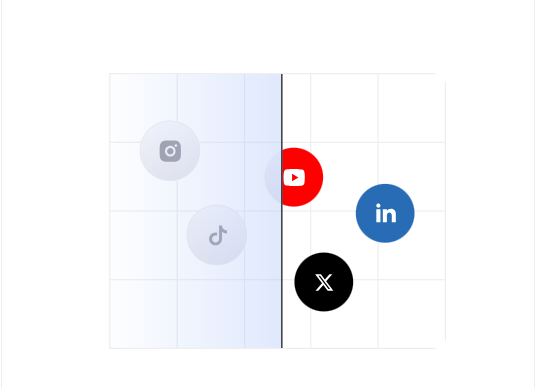
Phyllo AI-powered screening tool scans the influencers’ profiles on YouTube, TikTok, Instagram, Facebook, Twitter or X, and LinkedIn simultaneously. Also, it generates a single common report highlighting a complete view of your influencers’ online presence.
Custom Flagging Criteria
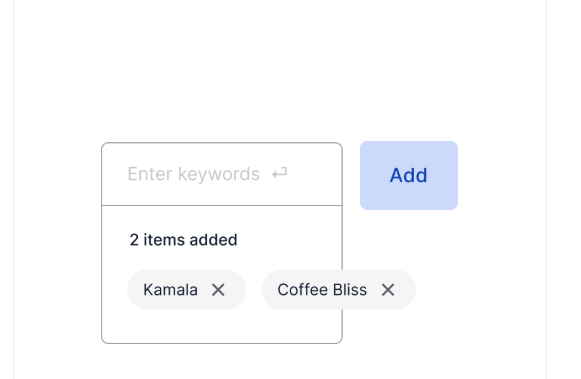
Another interesting aspect of Phyllo’s social screening is that it lets users to set up their specific flagging criteria. Once can use AI to flag a hashtag, a specific term, a topic, or anything based on the requirements.
Assurance of Speed Reviews with Accuracy
Phyllo’s AI tool allows businesses to review their influencers’ contents or items in parallel and needs only a few seconds. Moreover, the model can flag more than 90% of the relevant items to increase accuracy with regular practice.
Conclusion
Overall, influencer marketing is a versatile method available for every company or business organization to accomplish an advertisement campaign. However, one should consider a few essential factors to select the right influencer for their project. Simultaneously, use the latest Phyllo’s AI-powered tool to determine the right influencer marketing budget while working with reliable social media influencers.
Frequently Asked Questions:
What factors influence an influencer marketing budget?
Key factors include campaign goals, influencer reach, engagement rate, platform choice, content type, and campaign duration.
How much should a brand spend on influencer marketing?
There is no fixed amount. Budgets vary based on brand size, objectives, and whether you work with nano, micro, or celebrity influencers.
How do engagement rates affect budgeting decisions?
Higher engagement often delivers better ROI, allowing brands to spend more efficiently even with smaller or mid-sized influencers.
Should brands allocate budget for content usage rights?
Yes, additional costs may apply if brands want to reuse influencer content for ads or other marketing channels.
How can ROI be measured for influencer marketing spend?
ROI can be tracked through metrics like reach, engagement, conversions, website traffic, and overall campaign performance.
How do you determine an influencer marketing budget?
Start with the campaign goal, pick the creator tier that fits it, price the platform you plan to post on, then add money for content rights and legal paperwork.
How much do influencers charge per post?
Rates track follower count: nano creators run $10 to $250, micro $250 to $1,000, mid tier $1,000 to $5,000, macro $5,000 to $10,000, and celebrities above that.
How much does an Instagram influencer post cost?
A single Instagram story, reel, or post runs about $100 to $1,500, which makes it the cheapest of the big three platforms next to TikTok at $300 to $5,000 a video.
How much does a TikTok or YouTube influencer video cost?
TikTok videos generally cost $300 to $5,000 each, while YouTube sponsored segments and full integrations run $1,000 to $20,000, making YouTube the biggest line item.
Is it better to hire one celebrity or several micro influencers?
Both work, but the trade is reach against engagement. One celebrity buys scale above 1 million followers, while 5 to 10 micro creators who know your audience convert better.
Which influencer tier fits brand awareness versus conversions?
Mega and macro creators suit brand awareness because they buy reach, and nano and micro creators suit conversions since their smaller communities engage at a higher rate.
Should you budget for content usage rights and legal fees?
Yes. Plan for content rights agreements, NDAs, and documentation before launch, and settle in writing whether you can reshare the creator's content on your own channels.
Are long term influencer partnerships cheaper than one off posts?
Usually yes. Longer campaigns tend to earn discounts, closer brand alignment, and better results over time, so a limited budget stretches further across a repeat deal.
How does Phyllo help set an influencer marketing budget?
Phyllo is a social data infrastructure platform, and its AI screening tool vets creators across YouTube, TikTok, Instagram, Facebook, X, and LinkedIn in one single report.