



Layoffs and team restructuring are sensitive processes that demand fairness, transparency, and risk awareness. Social media screening helps organizations assess public behavior, potential risks, and cultural alignment before making critical workforce decisions. It supports informed restructuring by identifying red flags, compliance issues, and reputational risks. When used ethically, it strengthens decision-making while maintaining professionalism and trust.
- Social media screening gives HR objective evidence on conduct, culture fit, and brand risk during layoffs and team restructuring.
- Screening does 4 jobs in restructuring: risk mitigation, culture-fit checks, professionalism review, and resume data verification.
- Phyllo's AI tool maps a person's Facebook, LinkedIn, and X/Twitter profiles from just their email address.
- Phyllo flags text, image, audio, and video content across about 100 spoken languages and separates memes from real threats.
- Fair screening needs a written policy, employee consent, a job-related scope, and identical criteria that HR applies to every person reviewed.
Today, almost every company or business organization is going through the two common challenging decisions related to layoffs and restructuring of the team members. Regardless of the underlying reason or driving factors, like mergers, economic downturns, strategic alignment, or technological shifts, such transitions affect the regular business operations and sometimes, lead to negative business environment. Simultaneously, layoffs may affect the employees’ morale, workplace culture, and brand reputation.
In such situations, managers should take informed decisions. Luckily, human resource managers may now use a valuable tool of social media screening to get the necessary help and support during layoffs and restructuring of team members. However, before discussing the role of social media screening in layoffs and team restructuring, especially the Phyllo’s screening tool, you must get an overview of social media screening.
Overview of Social Media Screening
Social media screening or social media background screening refers to the process of researching an individual’s online social media activity. During this process, researchers look at the individuals’ posts, profiles, interactions, and comments on their social accounts, like TikTok, Facebook, LinkedIn, X/Twitter, and Instagram.
In terms of employment, social media screening assesses the suitability of a candidate for a work culture or a specific role and identifies potential red flags. The screening process especially identifies the persons’ negative behaviors, like harassment, online bullying, racism, illegal activity, and excessive bad language. Other than that, HR and recruiters use the latest social media screening tools to gain clear pictures of the online persona of individuals, including the ways they communicate with others.
Key Functions of Social Media Screening in the Decision-Making Process
We are already familiar with the term social media screening. Now, we should know its key functions and roles in the decision-making process-
Mitigation of Potential Risks
Social media screening uncovers the major concerning online activities, like security threats and discriminatory posts, which may harm the overall company’s reputation or security during sensitive periods.
Cultural Values
The screening tool assesses whether the online persona of an employee aligns perfectly with your company’s values, which is vital for creating stable teams after restructuring.
Professional Assessment
Social screening tools gauges professionalism, communication style, and the ways, in which individuals present in front of others, which is essential for team cohesion.
Data Verification
The social media screening tool confirms the skills and other important details mentioned in the candidates’ resume. In this way, it makes sure of employees’ retention based on accurate information.
Scope of Phyllo’s Social Media Screening Tool in Restructuring Teams
Whether you have a small business venture or a multinational company, you may easily restructure the new employees’ team by using the sophisticated Phyllo’s social media screening tool for layoffs and restructuring of teams. Phyllo’s screening tool operates on Artificial Intelligence to boost the quality of existing employee recruitment. Also, it creates a safe and inclusive work environment by simply using an AI-powered screening platform. Prime functions and benefits offered by Phyllo’s social media screening tool are-
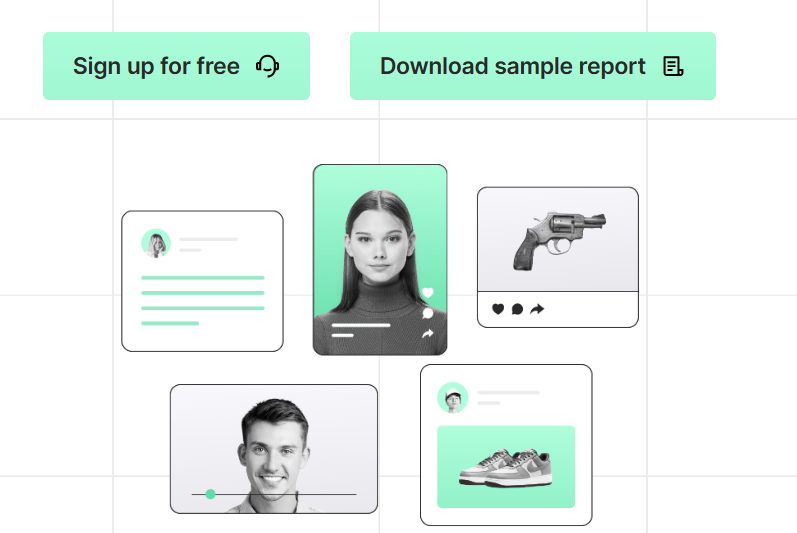
Detection of the Employees’ Online Presence via AI
The AI-powered social screening tool uncovers the complete social media presence of both prospective and existing employees by simply using their email address as the input. Unlike conventional detection/verification methods, Phyllo tools leverage the written texts, images, and video mapping methods to identify various social media profiles on Facebook, Twitter, LinkedIn, and others.
Supports Both Multimodal and Multilingual Content Flagging
Phyllo’s AI-powered social media screening tool is well-aware of the online presence of a single person in diverse social media platforms and in different regions. For this, it performs advanced media check across different social media platforms and for every type of digital media mention. The best thing is that Phyllo supports multimodal coverage to analyze almost every content type and format, like images, texts, audio, and video. Besides, it helps in multilingual content flagging by scanning about 100 common spoken languages and thereby, eliminates language barriers.
Reduces False Positives of Flagged Contents
Phyllo’s AI-powered social media screening easily understands the difference between funny memes and actual threats. It may interpret the risks/dangers even with similar hashtags and keywords. Also, experts have designed its contextual model for human like and meaningful content interpretation to reduce any false positives present in flagged contents.
Quick Tips to Make the Most of Social Media Screening
Other than the use of Phyllo’s social media screening to restructure teams and handle layoffs, companies should follow a few valuable tips to make the most of it. These include-
Formulate a Clear Policy
Employers and company owners must outline the content that they will review, the way they will use it, and clearly define their evaluation criteria.
Collect Informed Consent
Organizations must stay transparent with their employees and get their written consent before they conduct the social media screening process.
Check Information Only Related to Jobs
Companies must limit the review process to only publicly available content, which are related directly with the job performance and requisites of a new role.
Always Use Consistent Process
Employers should apply a single common screening criterion or a group of similar screening criteria for every individual associated with the team restructuring process. This is especially important to ensure consistency and fairness.
Conclusion
Overall, social media screening provides deep insights into the professionalism and behavior of the employees at the time of layoffs and team restructuring process. It also identifies a few potential risks, like negative influence on the brand and data security, which traditional checks often skip.
Therefore, social screening process allows improved decisions on assessing the right cultural alignment, employee retention, identifying red flags, and mitigating future damages. Social screening is an excellent tool to safeguard both the brand and future talent pool of a company.
Frequently Asked Questions:
1. What is social media screening in the context of layoffs and restructuring?
Social media screening involves reviewing publicly available online profiles to gain insights into employee behavior, communication style, and potential risks. During layoffs and restructuring, it helps organizations make informed, unbiased decisions while safeguarding brand reputation and workplace culture.
2. How can social media screening support fair decision-making during layoffs?
Social media screening provides additional context beyond performance metrics by identifying red flags such as policy violations or reputational risks. When used ethically and consistently, it helps ensure decisions are based on objective data rather than personal bias or assumptions.
3. Is social media screening legal and ethical during workforce restructuring?
Yes, social media screening is legal when it focuses only on publicly available information and complies with data protection and employment laws. Ethical screening avoids discriminatory factors and maintains transparency, fairness, and respect for employee privacy.
4. How does social media screening help protect an organization’s brand during layoffs?
During sensitive periods like layoffs, employee reactions on social media can impact brand image. Screening helps identify potential risks, enabling HR teams to proactively manage communication, prevent reputational damage, and maintain trust with stakeholders.
5. Can social media screening improve post-restructuring team stability?
Yes, by helping organizations retain employees who align with company values and professional conduct, social media screening supports a healthier workplace culture. This leads to stronger team cohesion, reduced conflicts, and smoother transitions after restructuring.
What is social media screening in layoffs and team restructuring?
Social media screening reviews public posts, profiles, and comments to gauge conduct and brand risk, giving HR objective context for layoff and restructuring decisions.
How does social media screening support fair layoff decisions?
Applying one consistent screening standard to everyone surfaces job-related red flags such as harassment or policy breaches, so calls rest on documented evidence rather than bias.
Is social media screening legal during workforce restructuring?
Yes, screening is legal when it stays on publicly available information and follows data protection and employment law. Ethical screening also skips discriminatory factors.
How does screening protect employer brand during layoffs?
Screening catches reputational and data security risks that traditional checks skip, so HR can plan communications early and hold on to stakeholder trust through a layoff.
What does Phyllo's social media screening tool do?
Phyllo is an AI-powered social media screening platform that maps a person's profiles from an email address, then flags risky text, image, audio, and video content.
How many languages does Phyllo's screening tool cover?
Phyllo scans about 100 commonly spoken languages and every major media format, so a flagged post from a non-English market does not slip past the review.
Does social media screening flag too many false positives?
False positives fall when a contextual model reads intent. Phyllo's model tells a joke meme apart from a real threat, even when both carry the same hashtags and keywords.
Do employers need consent for social media screening?
Yes. Get written consent before screening, stay transparent about what will be reviewed, and keep the review limited to public content tied to the job and its requirements.
Can social media screening improve team stability after restructuring?
Yes. Keeping employees whose public conduct matches company values builds steadier teams, and screening checks that by reading professionalism and communication style.