.avif)


web3 is a rabbit hole, and there's no way someone can verify a creator's identity. With web2 data, they're able to do just that.
- Web3 identity runs on wallet addresses alone, so buyers cannot tell a real creator from an impersonator.
- PAK's NFT artwork The Merge sold for $91.8 million, showing how much money rides on knowing who minted a piece.
- Web2 reputation data from social accounts gives platforms a verifiable identity layer, because screenshots are forgeable and native API builds are costly.
- Phyllo APIs cover 9 social media platforms, 3 e-commerce platforms and 1 content publishing platform.
- Go to market for web3 platforms dropped from 9 months to 2 weeks with Phyllo APIs, alongside lower engineering costs.
The jpg image below was sold for $91.8 million! 👇😲

Sounds unbelievable, right?
Imagine trying to sell or buy this without knowing if the seller is the original creator or an impersonator.
Sounds even more unbelievable?
But that’s the challenge people dealing with NFTs and web3 face daily. Everything is anonymous in the entire crypto-economy, all we deal with are alphanumeric numbers.
- Want to send crypto? Here's the wallet address…
- Want to invest in a coin? Here's the contract address…
- Want to know the real NFT owner/minter? Here's the wallet address…
But wait, Who owns that wallet? Who is the actual NFT creator? Who deployed the token? How can we identify that person?
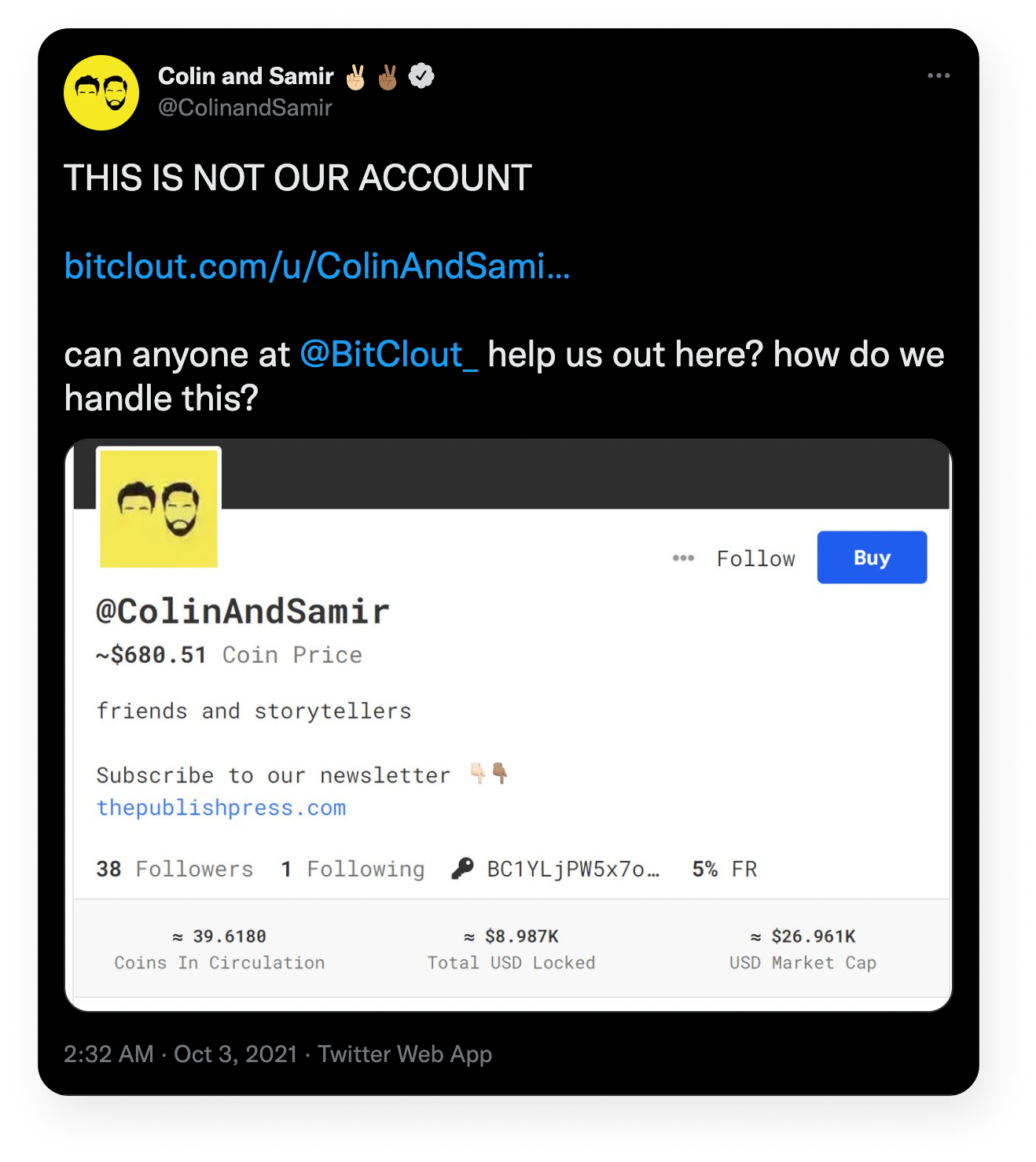
Web 3: The problem of identification
The reputation of creators in web3 is based on their social media accounts. So to verify their identity, developers are left with two choices - a. Use screenshots for verification or b. Build direct API integrations.
Screenshots can be easily counterfeited and require a verification team. Thus, they are not scalable solutions. On the other hand, API integrations are very costly to build and maintain and don’t serve all creators. Their coverage is also generally limited to major platforms.
The Solution: Web2 data for Web3 creators
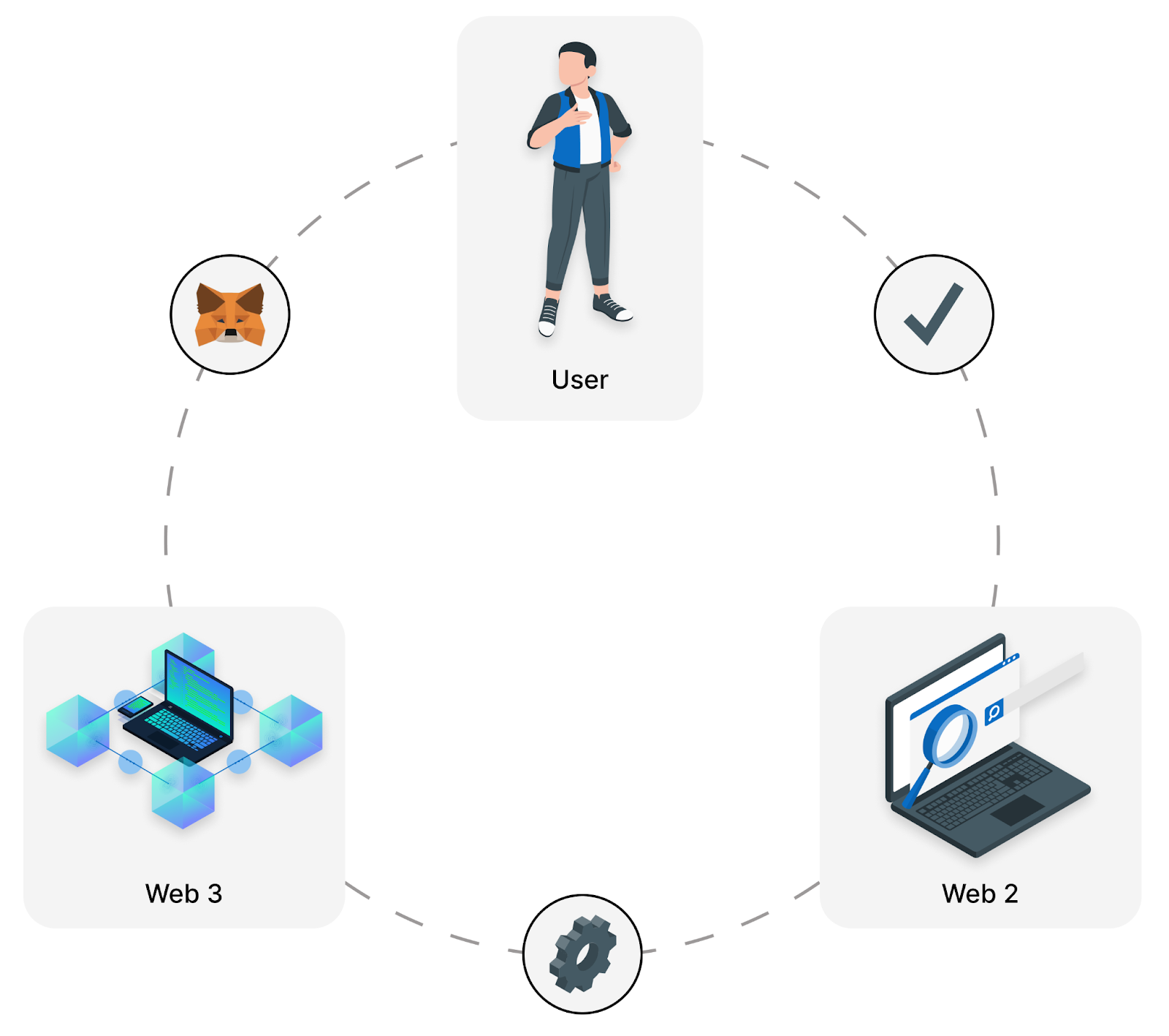
Phyllo APIs provide access to the data of Web 3 creators from social media platforms. Phyllo helps you access their social media identity, reputation, and engagement data to power various business use cases for web3-based creator platforms.
Phyllo uses the power of web2 to verify and validate a person's identity. Phyllo helps you access their social media identity, reputation, and engagement data which helps companies, other investors, and Dapps to verify a person's real identity.

Business use cases for Web3
With aggregated reputation data from across the entire web3 universe, businesses can create exciting products on top:
- Creator profile showcases - Give your NFT collectors and buyers the required social proof of the creator. Use easy-to-implement APIs to showcase every creator’s Web2 profile information, such as their profile picture, reputation data, and fan following.
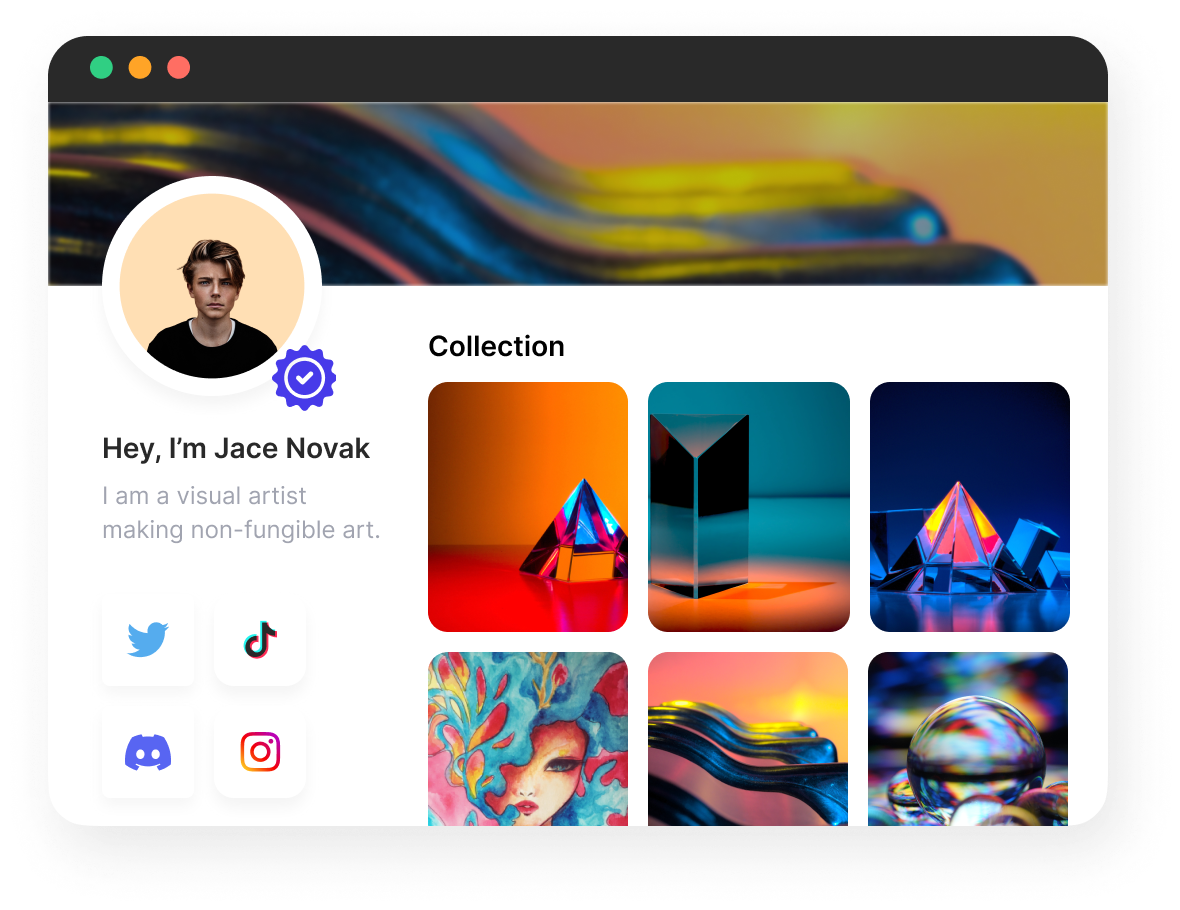
- Creator verification - Verify any creator’s existing fans and followers to ensure that buyers see the NFT/ web3 assets from the creator they love and not from an impersonator or a fraud.

- Dynamic token pricing - Do your creators want to leverage their Web2 reputation to launch their social tokens? Phyllo gets you the engagement data on posts (likes, shares, reach, audience, and more!), so you can price the tokens based on the popularity of the creator's content.

Business Impact
The possibilities are endless with Phyllo APIs. Here are a few sectors that have established use cases:
- Social media platforms like Twitter and Bitclout for user verification
- DAO’s for user verification
- NFT marketplaces to verify owners of NFTs
- Trading platforms and price tracking websites like to verify creators of tokens
- Crypto donations and gig platforms to verify the receiver
- Social tokens such as Rally
Here is the impact Phyllo APIs have created for web3 businesses:
- Go to market: Down from 9 months to 2 weeks
- Reduction in engineering costs
- Updated infrastructure: Dynamic addition of new platforms
The Phyllo APIs currently cover 9 social media platforms, 3 e-commerce platforms and 1 content publishing platform. We are continuously adding new platforms to increase coverage.
To know more about our offerings and use cases for web3, contact us here.
How do you verify an NFT creator's real identity?
Tie the wallet behind a mint to the creator's social media accounts. That Web2 reputation data shows a buyer the collection came from the artist they follow, not an impersonator.
What is Web2 reputation data?
Web2 reputation data is the identity, follower and engagement information held in a creator's social media accounts, used by web3 platforms as proof that a wallet owner is a real person.
Why are wallet addresses not enough to identify a creator?
A wallet address is an anonymous alphanumeric string, so it reveals nothing about who minted an NFT or deployed a token. Social account data supplies the human identity the chain omits.
Are screenshots a reliable way to verify web3 creators?
No. Screenshots are easy to counterfeit and need a human review team for every submission, so they stop working once a marketplace is onboarding creators at any real volume.
What does Phyllo do for web3 creator platforms?
Phyllo is a social data infrastructure platform giving web3 apps API access to creator identity, reputation and engagement data drawn from social media platforms.
How many platforms do Phyllo APIs cover?
Phyllo APIs cover 9 social media platforms, 3 e-commerce platforms and 1 content publishing platform, and the team keeps adding new sources to widen that coverage.
How fast can a web3 platform ship creator verification?
Web3 businesses using Phyllo brought go to market down from 9 months to 2 weeks, because they skip building and maintaining a separate native integration for every social platform.
Can Web2 engagement data be used to price social tokens?
Yes. Phyllo returns post engagement such as likes, shares, reach and audience data, so a platform can price a creator's social tokens against how their content actually performs.
Which web3 businesses use social reputation data?
NFT marketplaces, DAOs, social token projects like Rally, crypto donation and gig platforms, and token price tracking sites all use it to verify creators, owners and recipients.