

.avif)


In this article, we’ll delve into the nuances of brand safety and brand sustainability, exploring their importance, differences, and how businesses can harmonize them for holistic success.
- Brand safety vs brand sustainability differs in scope: safety protects reputation in ad placements, while sustainability commits to long-term ESG goals.
- Brand safety rests on 3 basics: clean ad placement, vetted creator partnerships, and protecting customer data from breaches.
- Brand sustainability covers cutting environmental impact, ethical supply chains, and CSR programs that build long-term stakeholder value.
- Balancing both takes 4 moves: one unified strategy, AI monitoring tools, vetted media partners, and transparent reporting backed by measurable data.
- Patagonia and Unilever prove the two can coexist, since Unilever's Responsible Advertising Code pairs safe media buying with sustainability goals.
In today's interconnected and dynamic business environment, brands face the dual challenge of ensuring safety while committing to long-term sustainability. While these concepts may seem distinct, they are often interconnected, both contributing to a brand's reputation, growth, and trustworthiness. In this article, we’ll delve into the nuances of brand safety and brand sustainability, exploring their importance, differences, and how businesses can harmonize them for holistic success.
What Is Brand Safety?
Brand safety refers to the measures and strategies brands implement to ensure their messaging, content, and advertisements appear in environments that align with their values and do not harm their reputation. This includes:
- Avoiding placement near inappropriate or harmful content (e.g., hate speech, violence).
- Ensuring partnerships with creators or influencers reflect the brand’s ethics and standards.
- Protecting customer data from misuse or security breaches.
Brand safety has become more critical in the digital age, where ads can appear across thousands of websites, apps, and social media platforms. Even a single misstep can lead to backlash, diminished trust, and financial losses.
The Importance of Brand Safety
- Reputation Management: Ensures a brand remains trustworthy and credible in the eyes of consumers.
- Customer Trust: Builds and maintains trust by avoiding associations with harmful or offensive content.
- Compliance: Adheres to legal and ethical advertising standards, reducing the risk of regulatory penalties.
What Is Brand Sustainability?
Brand sustainability, on the other hand, is the commitment of a brand to create long-term value for stakeholders while addressing environmental, social, and governance (ESG) concerns. It encompasses:
- Reducing the environmental impact of operations, products, and services.
- Ensuring ethical supply chain practices.
- Engaging in corporate social responsibility (CSR) initiatives to uplift communities.
As consumers become increasingly eco-conscious, sustainability is no longer an optional strategy—it is a business imperative.
The Importance of Brand Sustainability
- Consumer Demand: Modern consumers prefer brands that align with their values, particularly regarding environmental and social responsibility.
- Regulatory Requirements: Governments worldwide are imposing stricter regulations on environmental practices and corporate accountability.
- Competitive Advantage: Sustainability can set a brand apart, fostering loyalty and attracting eco-conscious investors.
Brand Safety vs. Brand Sustainability: Key Differences
While both concepts aim to protect and enhance a brand’s image, they differ in scope and application:
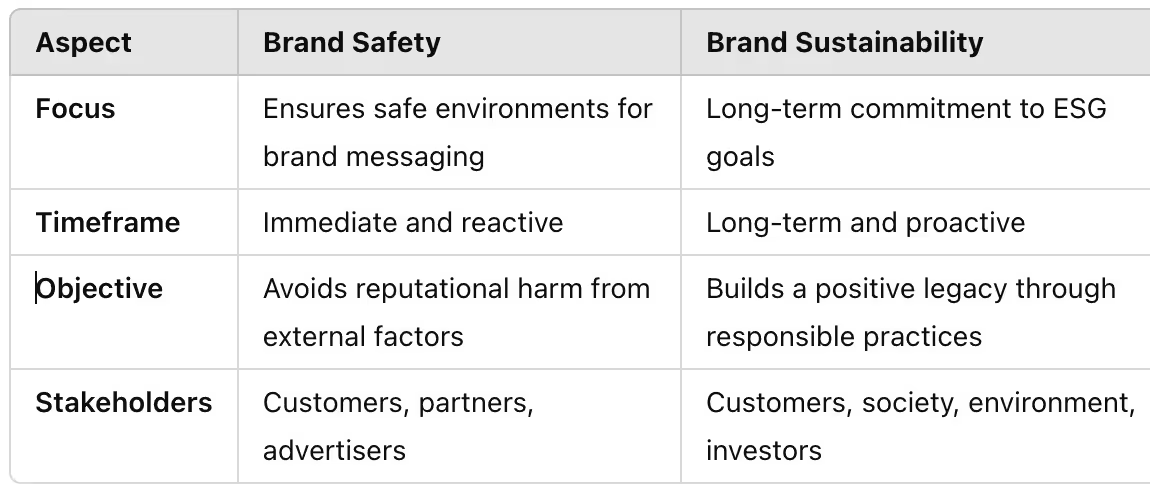
Despite these differences, brands must recognize that safety and sustainability often overlap. For instance, associating with socially irresponsible platforms or partners can undermine both brand safety and sustainability goals.
Challenges in Aligning Brand Safety and Sustainability
- Diverse Stakeholder Expectations: Balancing the expectations of consumers, investors, and regulators can be challenging, as each group prioritizes different aspects.
- Global Operations: Multinational brands often face difficulties ensuring uniform standards across various regions.
- Rapidly Evolving Media Landscape: Despite these differences, brands must recognize that safety and sustainability often overlap. For instance, associating with socially irresponsible platforms or partners can undermine both brand safety and sustainability goals. The digital environment changes constantly, making it hard to stay ahead of potential threats to brand safety while maintaining sustainability commitments.
- Cost Considerations: Implementing robust safety measures and sustainability initiatives can be resource-intensive, posing financial challenges for smaller brands.
How to Balance Brand Safety and Brand Sustainability
1. Develop a Unified Strategy
Brands should integrate safety and sustainability into their core values, ensuring alignment across all departments. This involves setting shared goals, such as:
- Partnering with responsible media platforms.
- Avoiding greenwashing while communicating sustainability efforts.
- Implementing ethical advertising practices.
2. Leverage Technology
Technology can streamline efforts to monitor brand safety and measure sustainability impacts. Tools like AI-driven media monitors, sustainability trackers, and analytics platforms help brands make data-informed decisions.
3. Work with Trusted Partners
Collaborating with reliable partners ensures both safety and sustainability. Whether it’s sourcing from ethical suppliers or partnering with socially responsible influencers, due diligence is key.
4. Transparent Communication
Openly sharing progress and challenges in safety and sustainability fosters trust and accountability. Brands should back their claims with measurable data and case studies.
Case Studies: Success Stories in Harmonizing Brand Safety and Sustainability
1. Patagonia: Sustainability Pioneer
Patagonia’s commitment to sustainability is unmatched, with initiatives like recycling programs, fair trade certifications, and environmental activism. The brand also ensures its marketing aligns with its values, avoiding placements that conflict with its mission.
2. Unilever: Integrating Safety and Sustainability
Unilever’s Responsible Advertising Code prioritizes both safety and sustainability. From reducing its carbon footprint to partnering with safe media platforms, the company exemplifies holistic brand management.
The Future of Brand Safety and Sustainability
As technology and consumer preferences evolve, the intersection of safety and sustainability will become more pronounced. Key trends include:
- AI-Driven Monitoring: AI will play a pivotal role in identifying unsafe environments and measuring sustainability metrics.
- Consumer-Centric Approaches: Brands will increasingly involve consumers in shaping safety and sustainability strategies through surveys and feedback loops.
- Collaborative Ecosystems: Companies will collaborate more with NGOs, governments, and tech platforms to address global challenges effectively.
Conclusion
Brand safety and sustainability are not competing priorities; they are complementary pillars of a robust brand strategy. By addressing immediate risks while committing to long-term goals, brands can build trust, loyalty, and a positive legacy. Platforms like Phyllo provide essential tools to navigate these challenges, ensuring businesses can thrive in today’s competitive and conscientious market.
Balancing safety and sustainability is not just good business—it is the foundation of a brand that consumers and stakeholders are proud to support.
What is the difference between brand safety and brand sustainability?
Brand safety keeps ads, content, and partnerships out of harmful environments to protect reputation now. Brand sustainability commits a brand to long-term ESG and social value.
What is brand safety?
Brand safety is the set of measures a brand uses to keep its ads, content, and creator partnerships in environments that match its values and never dent its reputation.
What is brand sustainability?
Brand sustainability is a brand's commitment to long-term stakeholder value through lower environmental impact, ethical supply chain practices, and CSR work in communities.
Why does brand safety matter for advertisers?
Ads run across thousands of sites, apps, and social platforms, so a single bad placement can bring backlash, lost trust, and financial damage. It also keeps advertising compliant.
How can brands balance brand safety and sustainability?
Run one strategy: set shared goals across departments, pick responsible media platforms, use AI monitors and sustainability trackers, then report progress with real data.
What makes aligning brand safety and sustainability difficult?
Four problems bite: mixed stakeholder expectations, uneven standards across global markets, a digital landscape that shifts constantly, and the cost of funding both programs.
Which brands handle safety and sustainability well?
Patagonia backs recycling programs, fair trade certification, and activism with ad placements that fit its mission. Unilever runs a Responsible Advertising Code alongside ESG work.
How is AI changing brand safety and sustainability monitoring?
AI-driven media monitors flag unsafe placements and help measure sustainability metrics, so one analytics layer can cover both jobs instead of two separate manual reviews.
How do brands avoid greenwashing when promoting sustainability?
Skip claims you cannot prove. Publish measurable data and case studies, share the challenges as well as the wins, and keep advertising practices consistent with those claims.

Building for LinkedIn Influencer Marketing - Everything you need to know





.avif)

.avif)