



Let's dive deeper into the metrics that matter in the creator economy.
- Social capital metrics fall into 5 groups: identity, engagement, audience and community, success, and growth.
- Identity metrics track a creator's reputation across platforms, including follower and subscriber counts on Instagram, YouTube, and Facebook.
- Engagement rate and audience retention rate matter more than raw views, since fans who scroll TikTok once often never return.
- Converting free fans on YouTube into paid subscribers on Patreon or Kajabi is the clearest success metric for a creator business.
- A universal API like Phyllo returns creator-consented identity, income, and engagement data across hundreds of platforms through REST endpoints.
Social capital is the sum total of all of the audience’s interactions with the creator. It’s their likes, retweets, shares, and comments. It’s subscriptions to their YouTube channel or newsletter list, purchases of their products, or tickets to events.
The creator economy thrives on social capital. It is both a currency and a tool for creators to build their businesses. Social capital is what one builds when one creates something that inspires people to come together around it.
The rise of YouTube, TikTok, Instagram, and other social media platforms has created opportunities for anyone who wants to be an online influencer. If you can find an audience, you can make money — whether that means selling print on demand merchandise or getting paid for sponsored content.
Understanding and navigating these capital dynamics will help creators gain traction and a larger audience on social media and beyond. Today, building social capital isn't just a nice-to-have — it's essential to building the business of one’s dreams.
Furthermore, as more and more individuals and companies jump in to build creator economy tools and platforms, it becomes increasingly important to have a deeper understanding of how it all works.
Metrics that matter in the creator economy
As the creator economy grows, so does the need for metrics that measure a creator's success. While there are many ways to measure different aspects of a creator business, these key metrics should be at the top of your list -
Identity metrics

Reputation across platforms
In the creator economy, reputation is everything.
These identity metrics will help one measure one’s reputation across platforms. This includes the number of followers or subscribers on social media platforms (Facebook, Instagram, YouTube, etc.)
These are many metrics that contribute to a creator’s reputation. And as creator platforms continue to grow and integrate a number of new features, this list of metrics is bound to grow as well.
Engagement metrics
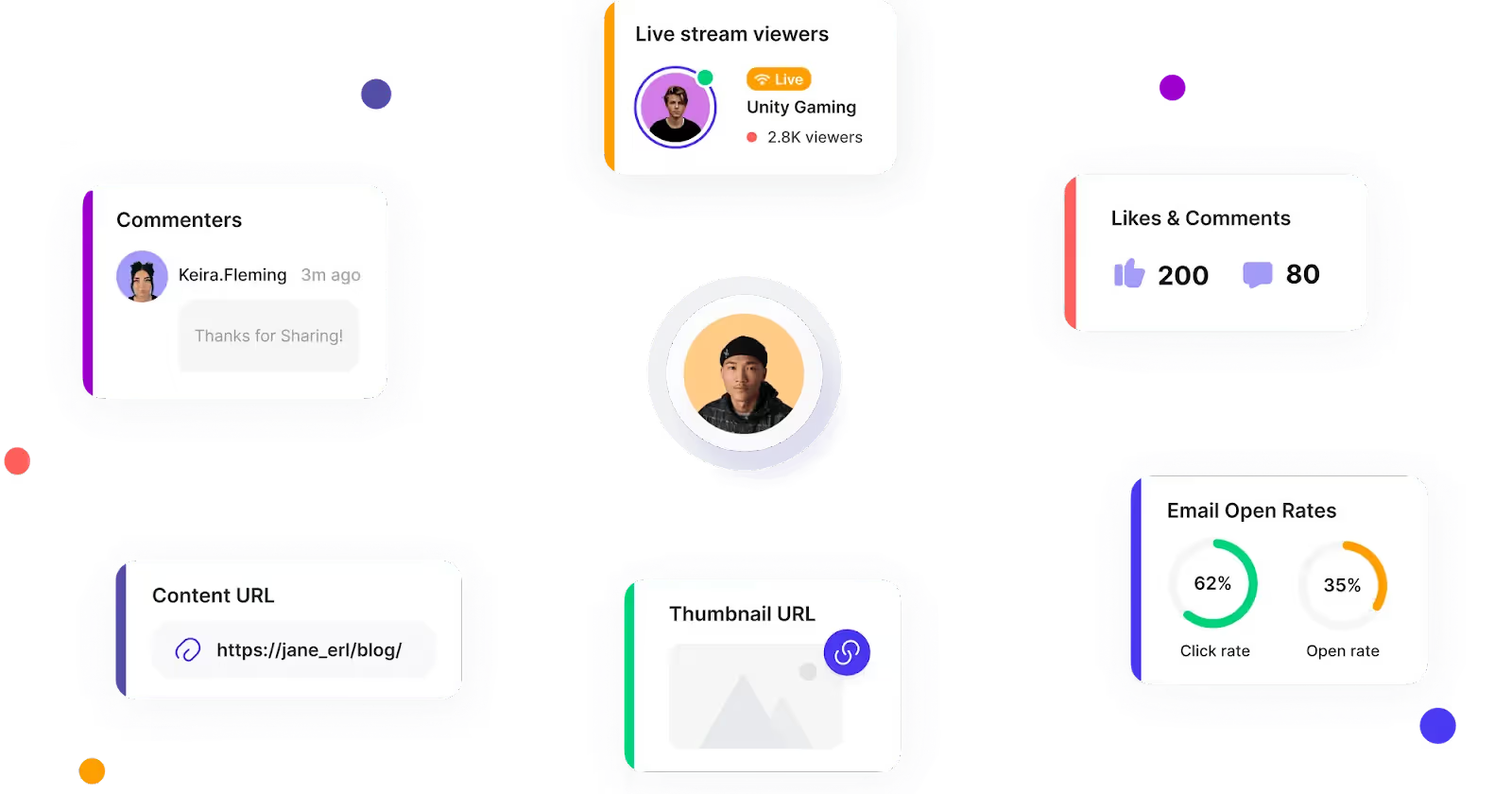
Audience engagement rate
Engagement is the key metric for social media success.
It's what drives the ROI of a creator’s channel and allows them to monetize it. The more engaged fans are, the more likely they are to share the creator’s content, follow them on other platforms, and buy from them.
This could include -
- The number of views and likes on videos/content posted on social media platforms
- The number of comments received on posts/videos shared on social media platforms
Engagement also helps build relationships with audiences so they feel more connected to the creator.
Audience retention rate
In a world where we mindlessly scroll through our TikTok feeds for hours at a stretch, we may end up engaging with a number of creators in a day. However, the question here is how many do we go back to?
This is an important metric while analyzing the engagement rate of any creator on any platform today - was the creator’s content gripping enough to keep their fans coming back for more?
If their audience retention rate is low, it means that most people are not sticking around long enough to watch much of their content. And if this happens consistently, then it’s likely people may even unfollow them which is a very big factor to determine success in this domain.
To calculate the audience retention rate, it might be useful to look at the number of followers/subscribers or the duration of membership on a channel.
Creator retention and churn
The idea here is that if you're creating a community or a platform for creators, you want to make sure that they stick around. You want them to keep producing content and engaging with their fans.
If they're churning out and leaving, then you have no one left on your platform, which means you don't have an audience for advertisers or sponsors.
Audience and community metrics
Audience demographics
As a creator of media, one is in the business of building an audience.
Here, it is detrimental to connect with the audience — and build a sustainable business that is more than just a one-off transaction.
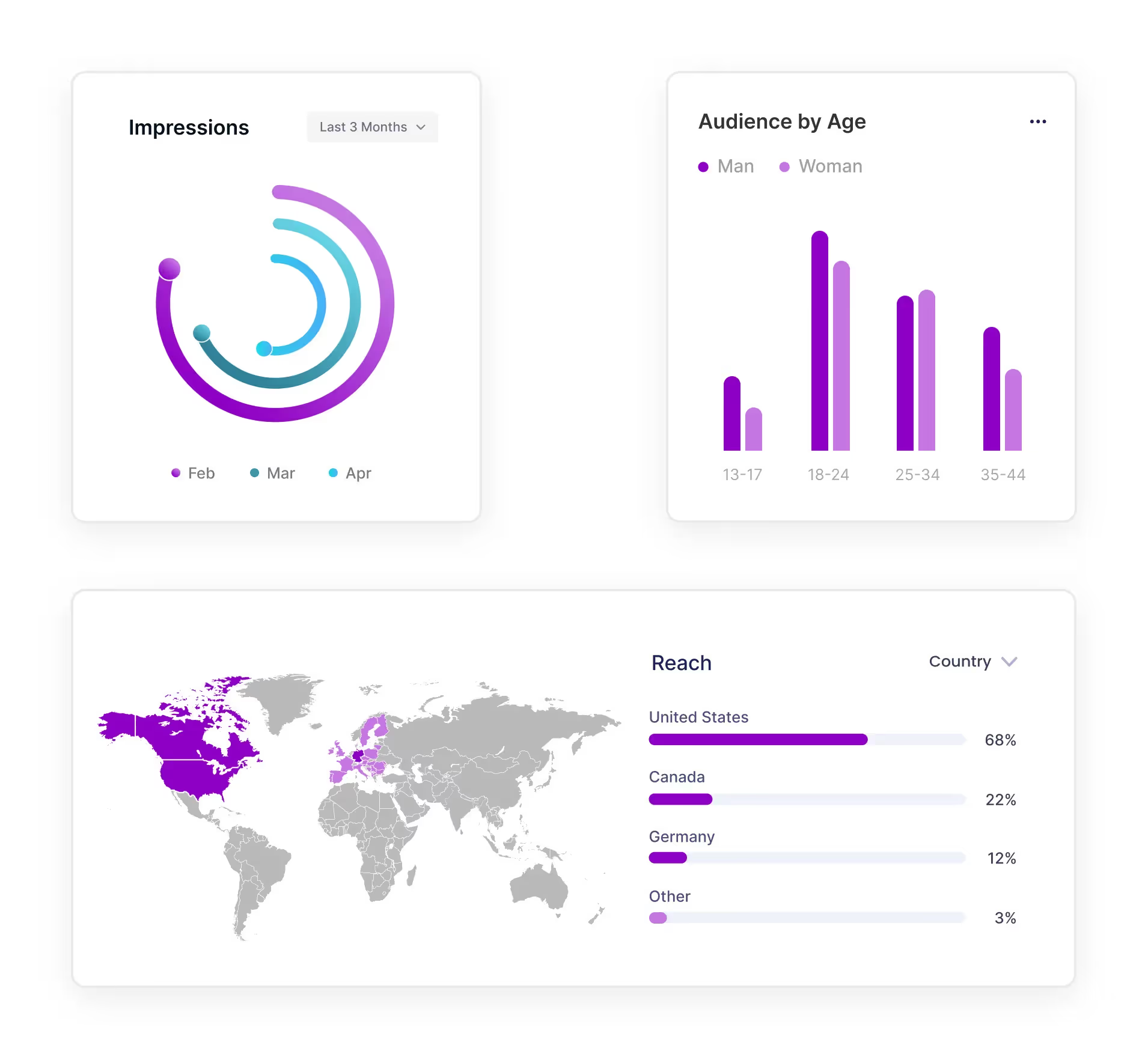
Audience demographics help creators understand where they should be focusing their time and energy. Demographics contain information related to the audience of the user -
- Countries distribution
- Cities distribution
- Age distribution
- Gender distribution, etc.
Learning about these demographics can help them better understand what resonates with their audience so that they can focus on making more content like it!
After all, the content your 60-year-old father enjoys is very different from the content your 5-year-old niece enjoys. There is no one size fits all approach when it comes to content. A creator needs to niche down and resonate with their target audience.
Intra-audience/community interactions
Only creating content is never enough to thrive in the creator ecosystem. One needs to build a community; where all their audiences come and stay together through thick and thin.
This helps create a deep sense of belonging which in turn results in undeterred loyalty.
Understanding and analyzing how well-knitted and committed a creator’s community members are is another important metric that contributes to their social capital.
Success metrics
Conversion of free fans to paid subscribers
The creator economy is built on the backs of creators who use free platforms like YouTube, Instagram, TikTok, etc initially to build audiences, develop skills and then move on to directly monetize their work through paid platforms like Patreon, Kajabi, Buy Me Coffee, etc.
The success of these creators depends on their ability to attract, retain and convert fans into paying customers.
Growth metrics
Monetization potential
Let’s say you’re building a new passion economy platform. You’ll have to obviously first populate your platform with quality creators so that their audience can come flocking in - thus, contributing to your platform’s success.
However, this ability of a creator is not just limited to their follower count. It goes much further than that - creator affinity.
The affinity for a creator refers to how many people love what they do — this includes everything from likes and shares on social media posts to comments left on videos or live streams.
Analyzing a creator’s affinity and value is complicated. However, this metric can help brands craft and execute better creator collaborations in the influencer marketing domain, for instance.
But gathering these metrics is a task!
In today's world, the most valuable resource is data. If you have it, you can do almost anything. If you don't, you might be missing out on a huge growth opportunity.
The problem is that many businesses struggle to get their hands on this data in an easily digestible format. Here are three reasons why -
- They don't know where to look
- They don't have the time and resources to gather all the information they need
- They don't know how to interpret it
Added to that, every passing day brings to light another metric that is essential in this space.
Read more - The Battle For The Single Source Of Truth in The Creator Economy
Phyllo gets you in the door! Access creator-consented data with Phyllo’s universal API
The creator economy has changed the way we think about building a business.
And within the creator economy, there is a shift in how we measure success. While engagement metrics like views, likes, and comments remain important, they’re now seen as just one element of a creator’s overall health.
Businesses have to go out and beyond to access, track and utilize the real metrics that matter in the creator economy. And this process of having to access various platform data is not easy and is just plain messy.
Phyllo is a data gateway to creator economy platforms.

Using Phyllo, your users can grant access to their data within your app. Once granted access, you can fetch details of a creator's identity, income, and activity & engagement on platforms (like Instagram, YouTube, Substack, and many more) using our REST APIs.
Now, you can get continuous access to verified, creator-consented data across hundreds of platforms without much hassle so you can focus on building your product. We are also constantly improving our APIs so you can get the best creator economy data infrastructure with just a few clicks.
Schedule a call with us to learn more about how Phyllo can empower your business in the creator economy.
Want to test the waters before you go ahead? Sign up for a free account to access creator data with Phyllo APIs.
What are social capital metrics in the creator economy?
Social capital metrics measure every interaction an audience has with a creator, from likes, shares, and comments to newsletter signups, product purchases, and event tickets.
Which metrics matter most when measuring a creator's success?
Five families do the work: identity, engagement, audience and community, success, and growth. Together they show reputation, attention, loyalty, paid conversion, and earning potential.
What are identity metrics for creators?
Identity metrics measure a creator's reputation across platforms, such as follower and subscriber counts on Instagram, YouTube, and Facebook. The list grows as platforms ship features.
Why does audience retention rate matter for creators?
Audience retention rate shows whether content is gripping enough to bring fans back. Low retention means people are not sticking around, and repeat misses often lead to unfollows.
Which audience demographics should creators track?
Country, city, age, and gender distribution are the core four. Demographics tell a creator who their content actually resonates with, so they can niche down instead of guessing.
How do creators turn free fans into paying subscribers?
Creators build an audience on free platforms like YouTube, Instagram, and TikTok, then move fans to paid platforms such as Patreon, Kajabi, or Buy Me a Coffee to monetize directly.
Why is creator economy data so hard to collect?
Three problems block teams: they don't know where to look, they lack the time and resources to gather it, and they can't interpret it. New metrics surface every single day too.
How does Phyllo help you access creator data?
Phyllo is a data gateway to creator economy platforms. Its REST APIs return verified, creator-consented identity, income, activity, and engagement data across hundreds of platforms.
What is creator affinity and why does it matter to brands?
Creator affinity is how many people genuinely love what a creator does, measured through likes, shares, and comments on videos or live streams. Brands use it to pick collaborations.