.avif)


In this article, we will uncover the psychology behind influencer marketing and discuss key factors to finding the right influencer for your brand.
- Influencer marketing works because 4 psychological triggers do the persuading: social proof, authority bias, cultural conformity, and reciprocity bias.
- Social proof and authority bias let a follower scrolling Instagram borrow a creator's judgment instead of researching the product.
- Cultural conformity explains why Dave Asprey's picks sell easily to an audience that already shares his beliefs.
- Micro and nano creators under 50k followers own niche audiences, while macro and mega creators past 1M followers suit broad awareness.
- Vet creators on audience makeup, past brand deals, and engagement rate, then screen fake followers with Phyllo, Modash, or HypeAuditor.
Think about the last time you bought a pair of shoes because most influencers discussed it in their posts.
The science behind this decision is that people with high influence successfully captured your interest and showed you why you should buy. They made it easier for you to decide.
That's one psychological reason influencer marketing works.
More such factors ease decision-making and encourage people to buy. That's why brands bet heavily on influencer marketing to reach their potential customers, improve brand awareness, and strengthen their brand voice.
In this article, we will uncover the psychology behind influencer marketing and discuss key factors to finding the right influencer for your brand.
What is Influencer Marketing?
Influencer marketing is a digital marketing strategy where brands collaborate with different types of influencers to promote their product. This is done to build or increase brand awareness, or to get higher conversions. It's a partnership where influencers get paid for the results they drive for the brand.
Influencer marketing differs from celebrity endorsements as influencers are a more trusted source among a niche audience. Also, they often have more knowledge and expertise about the products/services they promote.
Over the past few years, influencer marketing has become a household strategy impacting people's daily decision-making. From purchasing quality microwave to project management software, it influences how and where their money is spent. These reasons clarify why influencer marketing ROI is higher than many traditional marketing tactics.
For example, a travel blogger with extensive knowledge of travel destinations, pricing, and accommodation may help tourism brands promote their services and products. As the blogger has a niche target audience on different social media platforms, the chances of getting a positive response are higher.
Why is Influencer Marketing Effective: The Psychology of Influence
Influencer marketing largely depends on many factors influence people. For instance, if a micro-influencer shares their journey of getting their first job, someone looking for a job would find that information highly relevant and useful. So, that person will take any action they suggest.
This is psychology 101 at work.
People are social creatures, and as social media has become an integral part of everyone's life, many decisions are made while scrolling through reels on Instagram or browsing their YouTube feed. As decision-making is often a painful task, people want a shortcut to make the right decision. Influencers provide them with that shortcut in the form of quick reviews, behind the scenes shots, or a breakdown of how to use a particular tool.
Besides, people trust people and influencers have become the most trusted marketing source compared to traditional media, digital ads, and celebrity endorsement. Here are some reasons behind the influencer marketing industry's success:
Increase Brand Awareness & Reach
Influencer marketing puts your brand among the right audience likely to benefit from it. Engagement chances with influencer posts are higher than paid search ads. So, it is not only cost-effective, but also generates higher ROI than traditional marketing tactics.
Strengthen brand trust and credibility.
Influencers create more authentic and relatable content that helps people engage with them. This makes people trust them over brands' shady tactics, such as irrelevant and persistent social media ads.
But, by collaborating with them, you can resolve this issue. When influencers with huge engaged audiences promote your brand story and product, the audience is likely to act. It reflects that if influencers trust this brand, it might be a wise choice. This is why 82% of brandswill invest more in influencer marketing budgets in 2023.
4 Psychological Triggers That Make Influencer Marketing Work
Here are 4 most successful psychological triggers that defines the raving success of influencer marketing.
- Social proof
Social proof is one of the strongest psychological factor behind the success of influencer marketing. It shows that information shared by others influences people's decisions. They can be peers, family members, product users, or influencers.
Think about the last time you were uncertain about buying a product. But, you saw your favorite influencer sharing positive reviews about the product. You swiped the card, right?
In today's social media era, influencers have become one of the strongest sources of social proof. From product reviews to sneak-peek their day-to-day tool stack, these people inculcate a strong point of view about product they use and promote. In such a scenario, launching a influencer marketing campaign with famous creators will improve brand recognition, trust, and credibility.
- Authority bias
This bias is the cousin of social proof. Authority bias shows that people tend to decide based on experts' opinions, feedback, and reviews. That’s because people trust information from them. It’s more authentic, reliable, and persuasive. With the rise of social media, influencers have become these authority figures.
So, when they talk about a brand, share a review about a product, or become a part of a brand campaign, people tend to gravitate towards them. In this way, influencer marketing convinces them to act.
- Cultural conformity
People always have certain narratives about what they believe, and many of their decisions are based on that confirmation. People hate being wrong about their beliefs, so they seek information that matches what they already believe in. So, when they find influencers who share content aligned with their beliefs, they listen to them.
By partnering with influencers who have gathered a huge following of believers, you can put your brand in front of the right audience. In this way, influencer marketing helps you build a strong brand presence among your niche audience.
For example, Dave Asprey has grown a massive health enthusiast following. Dave's followers want to believe they can overcome health challenges with smart interventions.
By partnering with Dave, Mute Snoring can bypass objections like "Does this REALLY work?" because Dave has built an audience of believers.
Embed video: https://www.instagram.com/p/CpgX4arDo4-/
- Reciprocity bias
This bias shows that people feel obligated to reciprocate when someone helps them. In influencer marketing, when an influencer consistently provides their followers with valuable content, social media users may feel obligated to support the influencer by purchasing products they endorse.
For example, an influencer who consistently shares social media posts about helpful makeup tips is likely to generate higher sales for a makeup line she endorse. Due to this bias, partnering with different influencers with engaged audience will help you generate higher ROI on your influencer marketing campaigns.
Key Factors to Find the Right Influencers
The psychology behind influencer marketing is true only if you target the right audience and work with the right influencers.
- Analyze the influencer's audience.
To find suitable influencers for your business, you should look into their audience base. If you want to target a wide and generic audience, analyze macro or mega influencers. These people have 1M+ followers, most of whom are generic audiences with different preferences and tastes. On the other hand, a nano or micro-influencer caters to a niche audience and often has social media followers less than 50k. So, if that's your type of audience, these micro influencers might be the right fit.
- Check out their previous brand deals.
Explore the brand's deals that influencers did in the past. Look for the brand's industry, the type of content they created, and the engagement rate on each branded post. It will help you assess their authority and analyze if they can garner the results expected from them.
- Use fake followers checker tools.
Influencer marketing is prone to fake followers. If you work with such creators, it might cost your brand reputation and credibility. To identify such influencers, use the Phyllo, Modash, inBeat, and Hype Auditor tools. These tools help you identify if followers are real, active, and relevant to your audience.
- Engage before collaboration
Once you have a list of potential influencers, follow them on relevant social media platforms and engage with their content. Doing so will help you learn their content, engagement rate, and audience. It will help you shortlist the right ones, reducing the chance of dealing with fake or irrelevant creators.
- Ask for recommendations
Word-of-mouth marketing is the most effective and most reliable method of finding the right influencer for your campaigns. The brands you have previously worked with would help you reference some of the influencers. You can also ask your peers, connections on social media platforms, or even your customers. You can get insights into the type of influencers they think would help you reach your campaign goals.
How to Find The Right Influencers Using Phyllo
One easy way to search for a best influencer across many marketing channels is using Phyllo. It's one of the leading influencer marketing platforms with an API gateway helping developers access creators' and independent workers' data from popular social media platform such as YouTube, Instagram, Twitch, and TikTok.
With Phyllo's API, developers can get data from source platforms (YouTube, Tik-Tok) and third-party agencies. Then, you can work with your developers team to evaluate influencers' target audience, engagement rate, and other related factors.
Some API solutions you can use for influencer search are as follows.
Analyze influencer authenticity with Identity API.
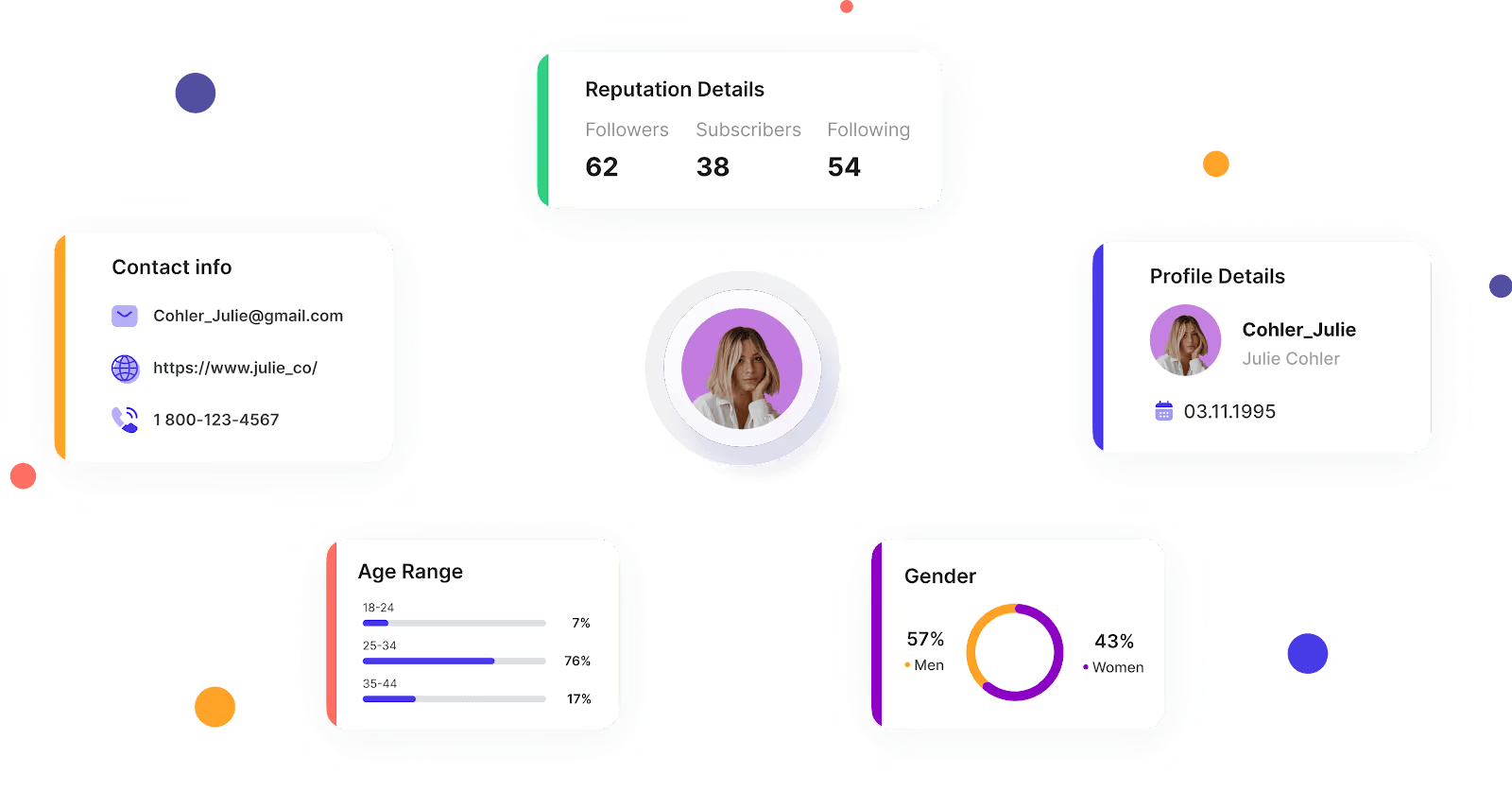
This API helps you verify an influencer's identity. You can know their name, contact details, subscriber or follower growth trends, and views.
In addition, you can easily access their audience demographic and find key influencers who share the same audience base as yours.
Analyze influencer campaign performance with the Engagement API.
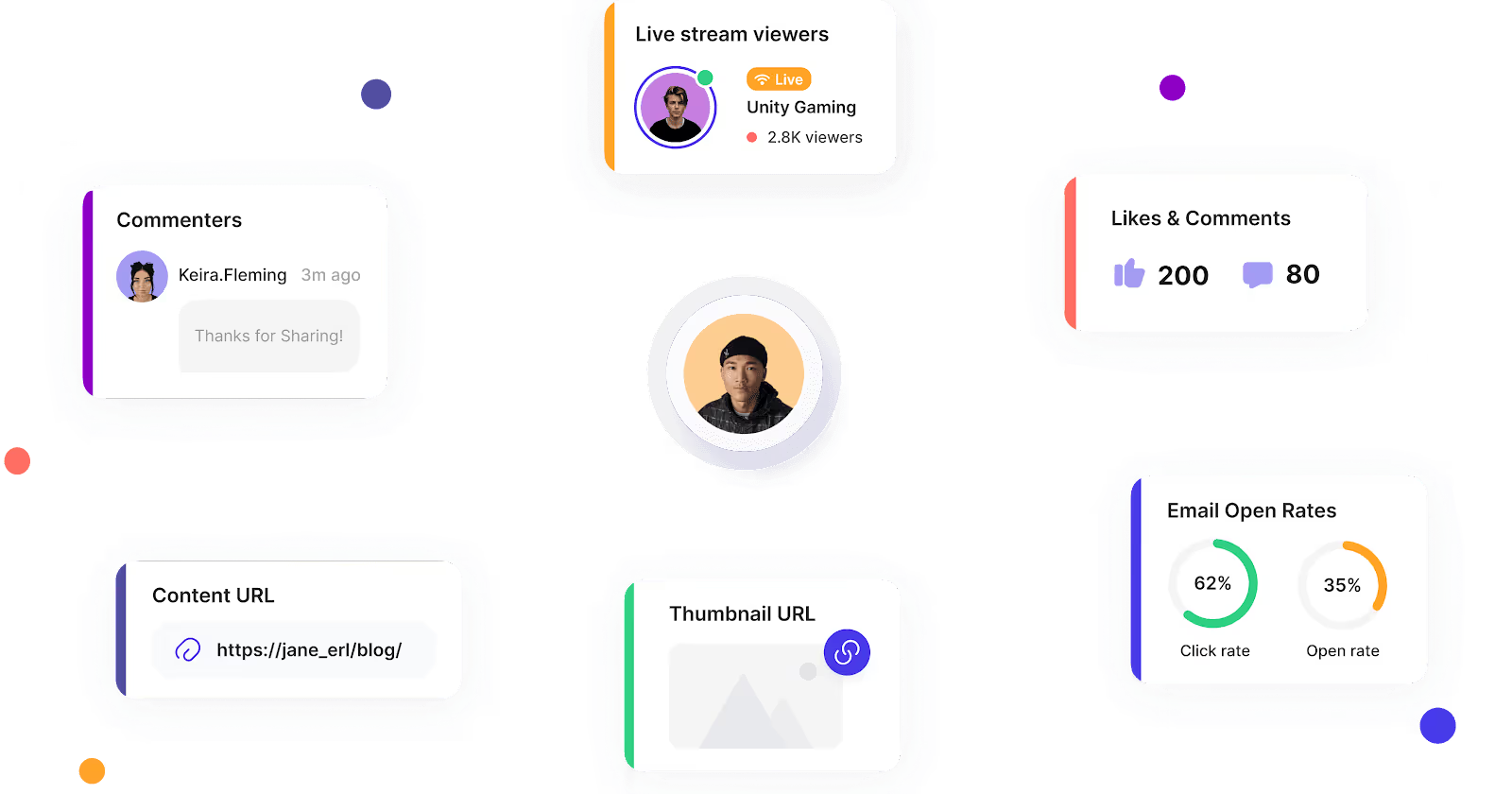
This API will help you analyze your influencer marketing campaigns by giving insights into key metrics such as engagement rate. You can also analyze which post generate the highest engagement and ROI. Based on these insights, you can optimize your influencer marketing strategy.
Analyze influencers' revenue with the Income API.
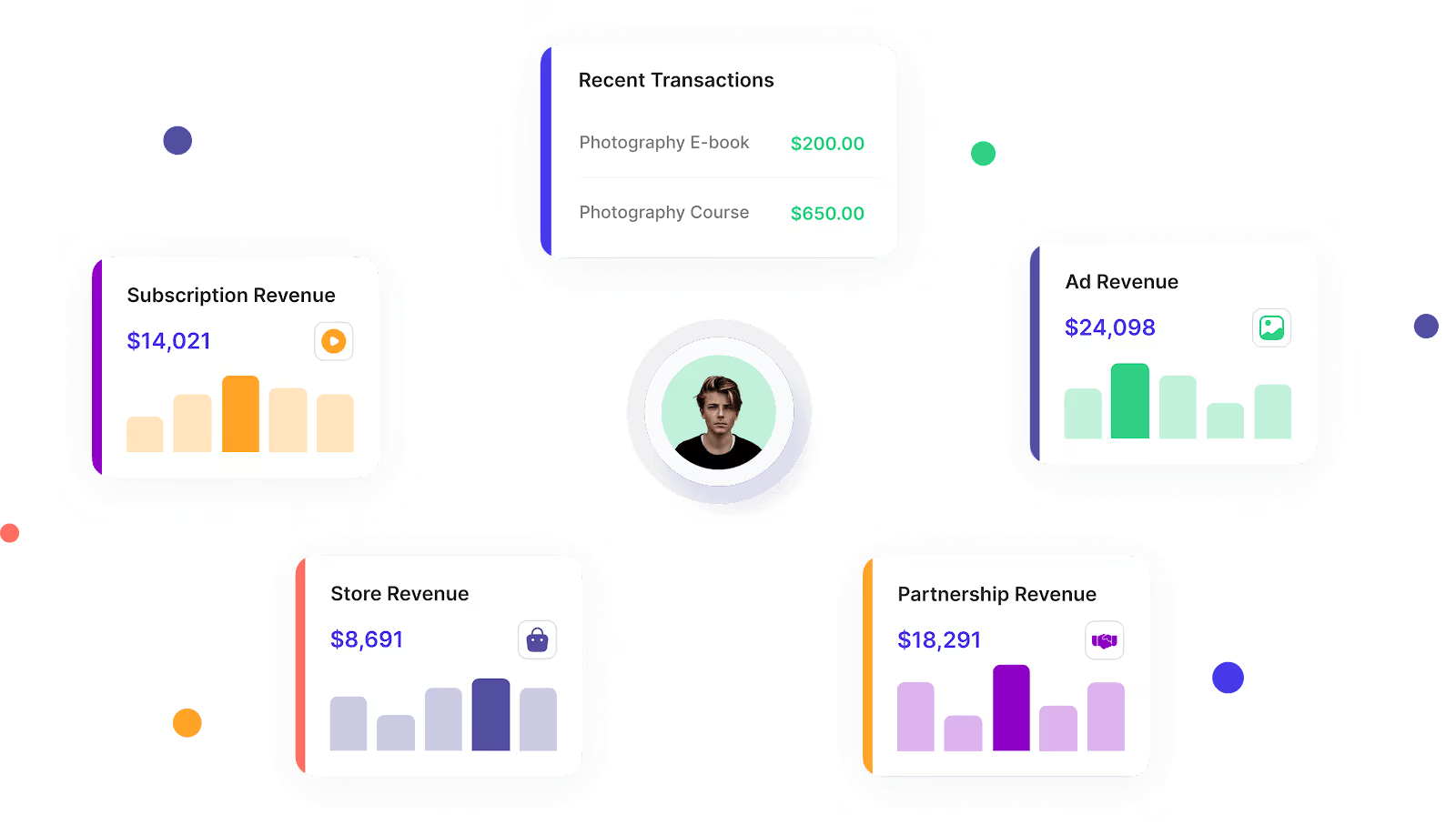
You can get insights into an influencer's income level with Phyllo's income API. It provides easy-access data about creators and their income streams across different platforms. It’s helpful in identifying if a particular influencer fits into your budget.
Conclusion
Influencer marketing success might be due to the psychological behavior behind decision-making. But, to leverage these tricks, you must deep dive into influencer marketing industry and find influencers whose audience is similar to your buyer personas. This will help you get your brand's message across to them in the best possible way.
Besides, ensure you find the right social media marketing platform to target your audience and create content native to that platform. It will help you create successful influencer marketing campaigns that puts your brand in front of the right audience.
Why does influencer marketing work?
Influencer marketing works because it shortens decision making. A trusted creator's review, demo, or behind the scenes clip gives a follower a shortcut to a choice they were stalling on.
What are the 4 psychological triggers behind influencer marketing?
Four triggers do the persuading: social proof, authority bias, cultural conformity, and reciprocity bias. Each one cuts the effort a follower has to spend before they buy something.
What is social proof in influencer marketing?
Social proof is the pull other people's choices have on yours. When a creator you follow posts a positive review, that single signal often settles a purchase you were unsure about.
How does authority bias affect influencer recommendations?
Authority bias means people weigh expert opinion heavily, so a creator seen as knowledgeable in a category gets treated as a reliable source and their product picks read as fact.
What is cultural conformity in influencer marketing?
Cultural conformity is the habit of seeking information that fits beliefs you already hold. Dave Asprey's health audience accepts his framing, so his product picks meet less pushback.
What is reciprocity bias in influencer marketing?
Reciprocity bias is the feeling of owing something back. Followers who get months of free, genuinely useful content often repay the creator by buying what that creator endorses.
How is influencer marketing different from celebrity endorsement?
Influencers are trusted more inside a niche than celebrities are, and they usually know the product category first hand, so their recommendations carry more weight with followers.
How do you find the right influencer for your brand?
Start with the audience, then check past brand deals and engagement rate on each sponsored post, screen for fake followers, engage with the creator first, and ask peers for referrals.
How does Phyllo help brands vet influencers?
Phyllo is a social data platform whose Identity, Engagement, and Income APIs pull creator data from YouTube, Instagram, Twitch, and TikTok so teams can check reach, ROI, and rate fit.