

Automation transforms visa background checks by improving speed, accuracy, and consistency in applicant screening. It reduces manual errors, efficiently handles large data volumes, and ensures compliance with evolving immigration regulations. By leveraging AI-driven analysis and automated workflows, authorities can identify potential risks faster, streamline decision-making, and enhance overall security and transparency in the visa application process.
- Background checks for visa applicants span police clearance, biometrics, financial records, and name checks run through the FBI national name check program.
- The United States now screens social media for every visa category, so applicants must switch their profiles to public.
- Manual screening drags on because laws, record quality, time zones, and languages differ across every country involved.
- Automation with AI tools removes manual data entry and flags patterns or anomalies that point to fraud.
- Phyllo's social screening API tool returns instant results from profile links, flagging posts, comments, likes, and shares.
Whether it is for tourist visa, student visa, work visa, or dependent visa, applicants need to go through international background checks to travel to some other country to travel, study, or work. No one wants to put the security of his host country at risk from potential threats, fake employment credentials, or false pretenses.
In this situation, any individual applying for a visa to travel any foreign country must be well-aware of the international background checks to ensure a safe journey. For this, our blog post will highlight various aspects related to background checks for visa applicants and the role of automation to resolve the underlying challenges in the procedure.
Contents of Background Checks for Visa Applicants
Background checks for visa applicants involve several crucial security-related steps, which include verifying the identity of the applicants, their criminal history, and financial checks. Other than that, background checks depend solely on the country you want to travel. For instance, the latest update on United States visa applications revealed that every applicant (regardless of the category) must go through social media screening process. The details of the background check are as follows-
Police Clearance Certificate
Before applying for your visa interview, candidates must get a legal document from the interior ministry or police department of their home country. This document confirms that the applicant has zero criminal record. PCC is especially mandatory for study and work visa applicants in almost every country.
Criminal History/Background Check
Under criminal history/criminal background check, immigration officers uncover any criminal history, which may impact the ability of a candidate to pose a risk to the country. Accordingly, criminal history-related background checks mainly involve national, local, and international criminal databases check in every country, where the applicant was there or stayed there.
Name Checks
Visa officials use different types of databases, including the national name check program of FBI to identify the potential security concerns.
Biometric Verification
Biometric verification involves photos, fingerprints, and signatures collected at any local center and later, sent to diverse agencies to compare the available databases.
Financial Checks
Depending on the type of visa you apply for, like the work visa, applicants need to verify their credit scores, bank statements, and tax records.
Miscellaneous Checks
Miscellaneous checks involve education and employment verifications, along with check against any global watchlist.
Global Sanctions and Compliance Checks
Global sanctions and compliance checks make sure that the candidate’s name is not in any sanction list and he/she complies strictly with the mandatory international regulations. This type of background check is vital for countries that have strict compliance requirements.
Reference Checks
Reference checks provide valuable pieces of information about the skills, work ethics, and the character of applicants. Many countries, like the United States, the United Kingdom, and Canada approach professional references of the visa applicants to collect information related to their previous performance and suitability for the specific job role. For instance, the references in the case of work visas will be the clients, previous supervisors, and colleagues.
Social Media Screening
Nowadays, many countries, especially the United States have made strict laws related to visa applications. Accordingly, visa applicant of every category, like student visa, work visa, tourist visa, and family visa need to change their social media settings to public to allow social media screening process. Immigration officers will check diverse social media activities of the applicants to make sure that the applicant does not pose any threat to the host country.
Challenges in Background Checks for Visa Applicants
Both visa applicants and immigration authorities face many challenges while conducting background checks for visa applicants. Moreover, with the consistent launch of new rules or country-specific rules, the screening process becomes far more complicated than before. A few such challenges are as follows-
Variation in International Laws and Regulations
Every country has its separate law and regulations to govern the visa applicants’ background checks. Visa officials need to navigate through the complex legal requirements to make sure of strict compliance in every national jurisdiction. The situation becomes more complicated while dealing with any data privacy law, as it varies significantly among countries and regional boundaries.
Consumes Long Time and Involves a Huge Cost
International background checks for visa applicants often need many hours and applicants need to bear a huge cost depending solely on the norms of the host country. Furthermore, coordinating efforts in diverse countries, handling time zone-related differences, and dealing with language barriers led to extreme delays and increased expenses.
Data Accuracy and Accessibility
Accessing reliable and accurate information is a challenging task, especially for countries that have a relatively less developed record maintenance systems. Different cultural norms, language barriers, and varying data privacy levels further makes the process to get comprehensive background information a complicated task.
Lengthy Administrative Processing
As discussed before, many countries have now mandated social media screening as a mandatory requirement associated with visa background check. However, such an increased security screening led to lengthy and complicated administrative processing, which further cause unnecessary delays.
Security Flags/Criminal Issues
Visa officials need to go through careful disclosure and interpretation to uncover previous criminal issues and security concerns, which halt visa applications as well.
How Automation Helps to Overcome the Challenges
Automation via Artificial Intelligence-powered tools help both visa officials and visa applicants to overcome the challenges in the following ways-
Process Bulk Data Quickly with Accuracy
Automation via AI tools eliminated the need for entering data manually and avoided repetitive tasks. In this way, both officers and applicants may save their valuable time and reduce the probability of errors. AI algorithms process bulk data at a relatively fast rate with accuracy to ensure of thorough and efficient background checks.
Firstly, it eliminates the need for manual data entry and repetitive tasks, saving time and reducing the chances of errors. AI algorithms can quickly and accurately process large volumes of data, allowing for more efficient and thorough background checks.
Identify Data Patterns and Anomalies
Automated and AI-powered tools help visa officials to identify data patterns and anomalies, which may indicate inconsistencies or fraudulent activities. Luckily, AI systems equipped with machine learning algorithms analyze the previous cases and predict the results according to the available data patterns. In this way, visa officials will make informed decisions while issuing a visa to the candidates.
Eases the Mandatory Social Media Screening
Visa applicants may now use innovative automated and AI-powered tools to analyze data from diverse sources. These include social media platforms, like Facebook, LinkedIn, Instagram, online databases, and diverse public records. Accordingly, applicants will ensure of a comprehensive assessment of their background and thereby get a holistic view of their social media history.
Role of Phyllo’s Social Screening API Tool
Visa applicants should use the most advanced Phyllo’s social screening API tool to undergo the social screening process with accuracy and in no time. The best thing is that users only need to provide their social media profile links and fill their personal details.
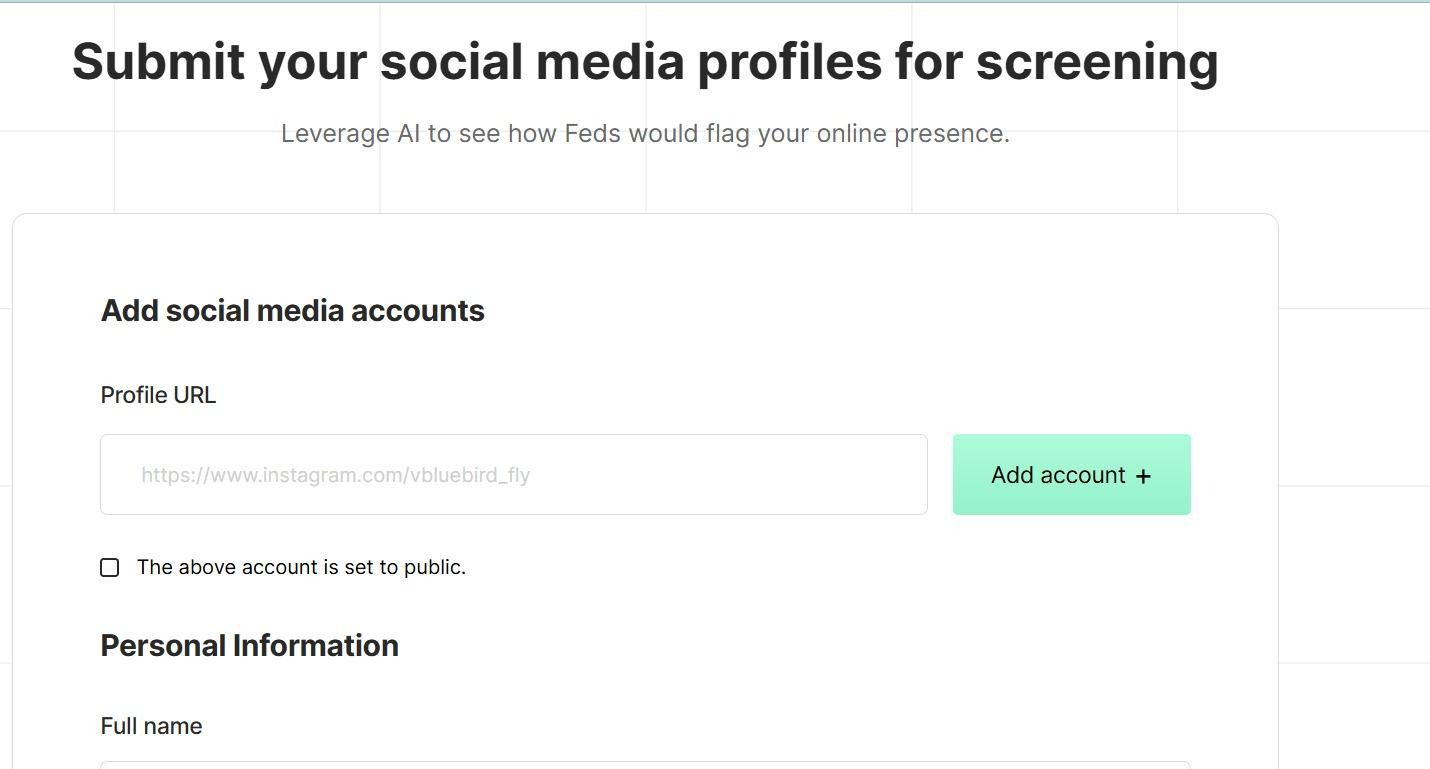
Simultaneously, the website asks for a small amount of money, which is very less than the regulatory fee and other expenses that may incurred in the traveling process. Once you are done entering your details, the Phyllo’s online AI-powered tool displays the results instantly. Phyllo’s tool mainly identifies the comments, posts, likes, and shares, which visa officials may perceive as red flags while traveling to the host country.
Conclusion
To conclude, we should say that the use of automation or AI-powered tools in background screening/verification ensures accuracy, improves efficiency, and strict legal compliance. Therefore, automation serves as an invaluable tool for visa applicants and immigration authorities alike.
Frequently Asked Questions:
What are the biggest challenges in manual background checks for visa applicants?
Manual background checks are often time-consuming, inconsistent, and prone to human error. Reviewing large volumes of documents, social media activity, and global data sources can delay visa processing and increase the risk of missing critical compliance or security information.
How does automation improve the speed of visa background verification?
Automation streamlines data collection and analysis by instantly scanning multiple databases and digital sources. This significantly reduces processing time, enabling immigration authorities to conduct faster, more efficient, and scalable background checks without compromising accuracy.
Can automated systems reduce errors in visa background checks?
Yes. Automated background check systems use standardized algorithms and AI-driven analysis to ensure consistency. By minimizing manual intervention, automation reduces human bias and oversight, leading to more reliable and objective visa screening outcomes.
How does automation handle large volumes of visa applications?
Automation is designed to scale effortlessly. It can process thousands of applications simultaneously, analyze patterns, flag potential risks, and prioritize high-risk cases, making it ideal for handling peak visa application periods efficiently.
Is automation secure and compliant with visa screening regulations?
Modern automated background check solutions follow strict data protection standards and regulatory guidelines. They ensure secure handling of sensitive applicant data while maintaining compliance with evolving immigration, privacy, and security regulations.
What does a background check for visa applicants include?
Visa background checks usually combine a police clearance certificate, criminal and name database checks, biometrics, financial records, sanctions screening, and social media review.
Why do manual visa background checks take so long?
Manual checks slow down because every country writes its own rules, records sit in patchy systems, and staff juggle time zones and language barriers before anything is verified.
Is social media screening mandatory for US visa applicants?
Yes. The United States now applies social media screening to every visa category, and applicants are asked to set profiles to public so officers can review their activity.
How far back does US visa social media screening go?
US visa applicants list every social media handle used in the past five years on the DS-160 form, and officers then review that public activity during screening.
How does automation speed up visa background verification?
Automation scans multiple databases and public records at once, cutting out manual data entry and repetitive tasks so officers get results in a fraction of the usual time.
Can automation reduce errors in visa background checks?
Yes. Automated systems apply the same algorithms to every applicant, which removes repetitive manual entry and lowers the human bias and oversight that skew manual reviews.
Do automated visa checks replace immigration officers?
No. Automated tools surface patterns, anomalies, and flagged content, but a human immigration officer still reads the findings and makes the final call on the visa decision.
What is a police clearance certificate and who needs one?
A police clearance certificate comes from your home country's police or interior ministry and confirms you hold no criminal record. It is mandatory for most study and work visas.
How does Phyllo's social screening API tool work?
Phyllo's social screening tool takes your social profile links and personal details, then returns instant results highlighting posts, comments, likes, and shares officers may flag.