


Background checks are an essential part of ensuring safety and integrity in schools, colleges, and other educational institutions. Whether hiring teachers, verifying students' credentials, or onboarding staff, schools rely on thorough background checks to assess candidates.
- Most school background checks review criminal history from the past 7 years, though state law can allow a lifetime review for serious offenses.
- Unlike criminal records, education verification has no 7 year window, so schools confirm degrees and attendance from any year.
- Employment history checks usually span the past 5 to 10 years, and senior school roles often reach back further.
- School bus driver checks go deeper, adding driving records and drug testing to the criminal and employment searches.
- Phyllo automates education and social media screening with GDPR and CCPA compliant data access, cutting manual review time.
Background checks are essential for creating safe, trustworthy school environments. Whether it’s hiring teachers, onboarding staff, or verifying student records, schools need a clear picture of who they’re bringing into their community. But how far back do these checks typically reach?
What Is a School Background Check?
When schools look into someone’s background, they’re not just ticking boxes—they’re making sure every child learns in a secure environment. A typical background check covers criminal records, education, work history, and sometimes even a person’s online presence. The goal is to spot any issues that could impact student safety or the school’s reputation.
Checklist for a School Background Check
• Criminal record check
• Verification of education and qualifications
• Employment history and references
• Review of online presence (social media, personal websites)
• Checks on professional licenses or certifications
• Child abuse or neglect registry check (if applicable)
How Far Back Do These Checks Go?
The duration of background checks can vary based on the position and the specific requirements of the school. For roles involving direct interaction with students, schools tend to conduct more thorough checks. These checks ensure that candidates are appropriately vetted and qualified for the responsibilities they will undertake.
- Criminal Records: Most schools review criminal history from the past seven years, but this can vary. Some roles, especially those involving direct contact with students, may require a deeper look—sometimes even a lifetime review for serious offenses, depending on state laws.
- Education Verification: Schools check the full span of a candidate’s academic history, regardless of when they graduated.
- Employment History: Typically, schools look at the past five to ten years of work experience, but for senior roles, they might go further back.
- Social Media: While not always standard, some schools review recent social media activity to get a sense of a candidate’s professionalism and values.
Why Are Background Checks So Important?
Background checks aren’t just about following rules—they’re about protecting students and upholding the school’s reputation. By verifying credentials and checking for past criminal activity, schools can make smarter, safer hiring decisions.
By understanding these factors, schools can ensure that their background check for school employees is thorough and compliant, ultimately safeguarding the well-being of students and staff.
This article explores the scope of school background checks, the types of information reviewed, and how platforms like Phyllo can streamline education background verification while reducing hiring bias.
Common Challenges
Manual background checks can be slow and sometimes miss details. There’s also the challenge of balancing thoroughness with privacy, and making sure the process is fair for every candidate. Reviewing large amounts of information by hand can lead to delays and, occasionally, mistakes.
What Kind of Background Check for School Bus Drivers?
For school bus drivers, checks are even more detailed. Schools look at criminal history, driving records, employment history, and often require drug testing. These extra steps help ensure that only responsible, qualified drivers are behind the wheel.
Best Practices for School Background Checks
To ensure a thorough and fair process, schools should follow clear and consistent guidelines when conducting background checks. Adhering to best practices not only ensures compliance but also helps create a safer environment for students and staff.
- Be Specific: Focus on information that matters for the role. For example, a teacher’s background check might emphasize criminal history and education, while a bus driver’s check looks closely at driving records.
- Stay Consistent: Use the same standards for every candidate to keep things fair.
- Train Your Team: Make sure HR staff understand what they can and can’t consider, and how to avoid bias.
- Combine Multiple Sources: Don’t rely on just one type of check—use references, interviews, and other tools to get a complete picture.
Best Practices for Implementing School Background Checks
Schools can make background checks faster and more reliable by using digital tools that connect directly to official data sources. These platforms can help reduce errors and save time, allowing schools to focus on what matters most: building a safe, supportive environment for students.
How Phyllo Helps Streamline Education Background Verification
Phyllo is an advanced background verification platform designed to simplify data access and reduce hiring bias through standardized processes. Here's how Phyllo supports schools during background checks:
- Centralized Data Access
Phyllo connects institutions directly to verified data sources, enabling seamless education and background verification without the need for manual intervention.
- Standardized Screening Criteria
By applying consistent, objective metrics—like academic qualifications and professional milestones—Phyllo ensures a fair evaluation process, minimizing favoritism and subjectivity across candidate screenings.
- Automated Insights
Phyllo automates the analysis of high volumes of candidate data. This reduces the risk of human error and unconscious bias, delivering faster and more reliable insights during the screening process.
- Integrated Social Media Screening
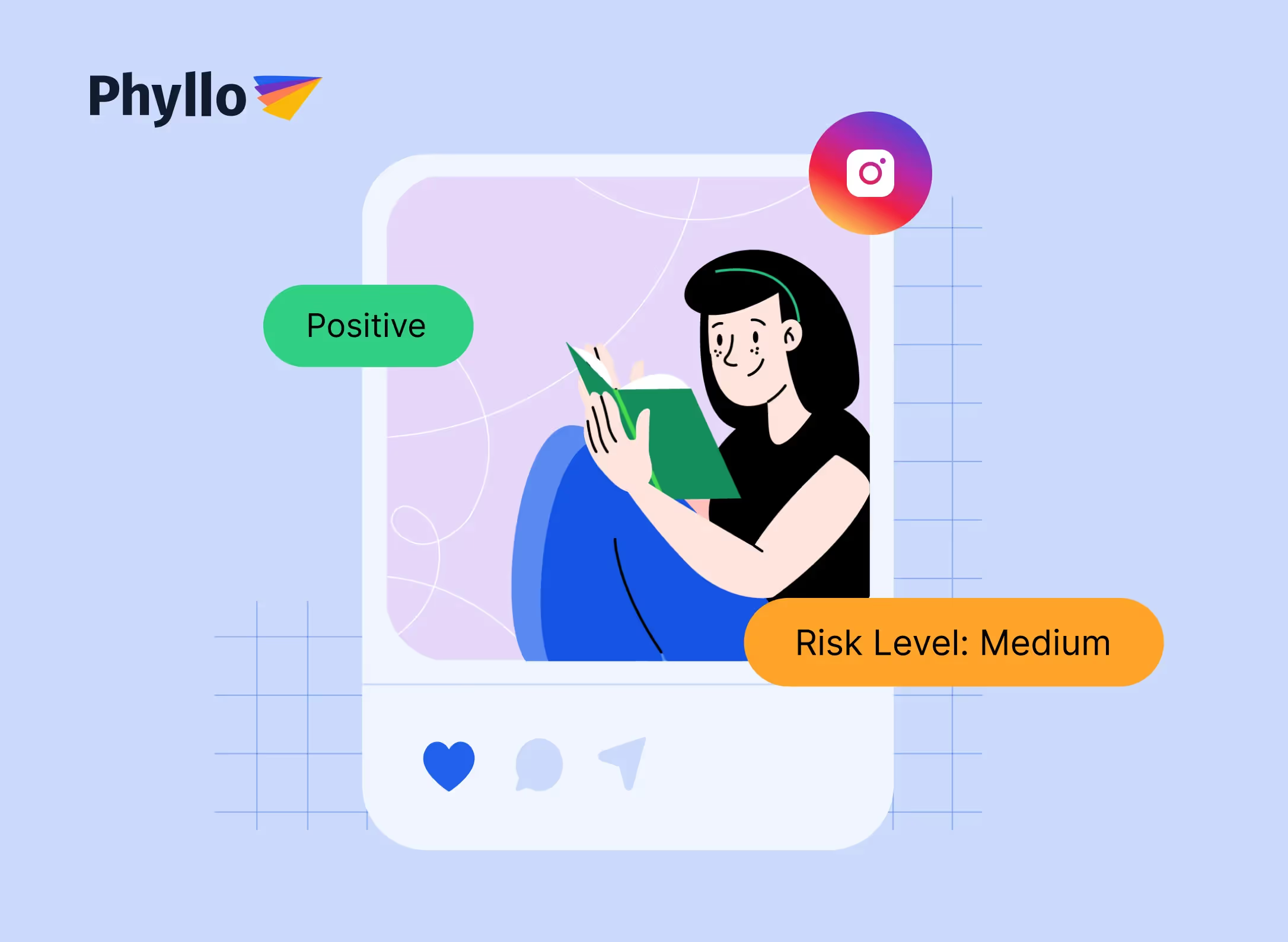
Phyllo’s Social Screening tools evaluate social media content for professional behavior, ideological alignment, and potential risks. The system avoids irrelevant personal factors to maintain unbiased, value-aligned assessments.
- Privacy and Compliance
Phyllo’s data practices adhere to global privacy regulations, including GDPR and CCPA. This ensures institutions and individuals are protected throughout the screening process. By using Phyllo, schools can conduct efficient and unbiased background checks while maintaining high standards of safety and professionalism.
Conclusion
School background checks are vital for safeguarding students, ensuring institutional integrity, and hiring qualified educators. While the timeframe for these checks varies by type, tools like Phyllo make the process faster, more accurate, and less prone to bias. By adopting platforms like Phyllo for education background verification and social media screening, schools can build diverse teams while fostering trust among students, parents, and staff alike.
Book a demo with us to see how Phyllo can streamline your school's background verification process and ensure safer, smarter hiring.
FAQs:
- What is checked in education in background check?
Education background checks verify degrees, certifications, and attendance records to ensure candidates possess the required qualifications and prevent fraudulent claims about academic achievements. The checks cover the entirety of a candidate’s academic history, regardless of how far back it goes.
- How do companies check education background?
Companies check education background by verifying degrees, certifications, and attendance records directly with educational institutions or through third-party verification services. Tools like Phyllo can automate this process by connecting institutions to verified data sources, ensuring accuracy and reducing manual effort.
- What takes the longest on a background check?
Manual verification processes, especially those involving criminal history and education background checks, can be time-consuming due to the need to access and review records from various databases.
- Why Are Background Checks Important at Schools?
Background checks are crucial for ensuring student safety by preventing individuals with dangerous histories from working in schools, protecting the institution's reputation by verifying educators' credentials, and reducing hiring bias through standardized screening processes.
- How Do State Laws Affect the Scope of School Background Checks?
State laws dictate the extent of criminal history checks, the types of offenses that must be reported, and access to lifetime criminal records for serious offenses. These laws also influence how far back employment history and social media activity can be reviewed.
How far back does a school background check go?
Most school background checks cover 7 years of criminal history, though serious offenses can surface for life under some state laws, while education records have no cutoff at all.
How far back do education background checks go?
Education checks carry no time limit. Schools verify degrees, certifications, and attendance across a candidate's whole academic history, no matter how long ago the person graduated.
Does the 7 year limit apply to every part of a school check?
No. The 7 year window mainly shapes criminal history reporting, while education verification has no cutoff and employment history usually reaches back 5 to 10 years for school roles.
What is included in a school background check?
A school background check normally covers criminal records, education and license verification, employment history and references, child abuse registry checks, and a social media review.
What kind of background check do school bus drivers need?
Bus driver screening goes deeper than most school roles, pulling criminal history, driving records, and employment history, and it usually requires drug testing before hiring.
How do state laws affect the scope of school background checks?
State laws decide which offenses must be reported, whether lifetime criminal records are accessible for serious offenses, and how far back employment and social media reviews can go.
What takes the longest on a school background check?
Manual verification is the slowest part, particularly criminal history and education checks that require pulling and reading records from several separate databases one by one.
Why are background checks important for schools and teachers?
Background checks keep students safe by screening out dangerous histories, protect a school's reputation by confirming educator credentials, and cut bias with one consistent standard.
How does Phyllo help with education background verification?
Phyllo is a background verification platform that links schools to verified data sources, standardizes screening criteria, and adds social screening under GDPR and CCPA rules.