
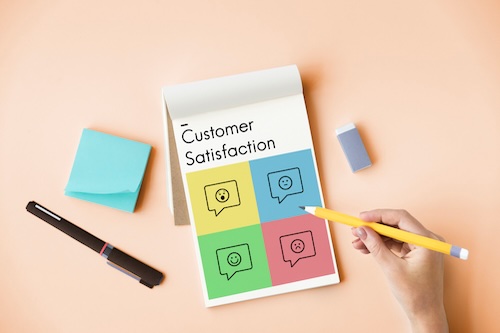


Customer experience is shaped by real-time conversations on social platforms. This blog explains how Social Data APIs help brands understand customer sentiment, identify issues early, and personalize interactions at scale. By acting on live social insights, brands can build trust, reduce churn, and drive long-term loyalty.
- Social data APIs give brands real-time, programmatic access to posts, comments, likes, shares, and sentiment across social platforms.
- Social feedback beats lagging CX tools like surveys, surfacing complaints and feature requests the moment customers post them.
- Social listening insights help brands fix recurring UX issues, improve onboarding flows, and train support teams with real customer language.
- Behavioral signals like topic interests, creator influence, and sentiment shifts make personalization more relevant than demographics alone.
- Phyllo provides unified API access that normalizes engagement and conversation data across platforms for CX analytics and personalization.
Customer experience has become the strongest differentiator for modern brands. Products can be copied, pricing can be matched, and ads can be replicated, but how customers feel about a brand is much harder to duplicate. Today, those feelings are shaped largely on social platforms, where customers express opinions, expectations, frustrations, and loyalty in real time.
This is where Social Data APIs play a transformative role. By giving brands continuous access to real customer conversations and behaviors, Social Data APIs help teams understand what customers want, how they feel, and where experiences are breaking down. In this blog, we explore how brands use Social Data APIs to improve customer experience, build trust, and drive long-term loyalty.
Why Customer Experience Is the New Competitive Advantage
Customer experience is no longer limited to support tickets or post-purchase surveys. It now spans every interaction customers have with your brand, especially on social platforms.
Customers publicly share their experiences in comments, posts, and creator content. These signals often appear long before feedback reaches traditional CX systems.
- Customers voice frustrations openly on social platforms
- Praise and advocacy spread through creator content
- Expectations shift rapidly based on trends and competitors
- Poor experiences can escalate quickly if ignored
Brands that listen and respond early build stronger emotional connections and loyalty.
What Are Social Data APIs?
Before diving into use cases, it is important to understand what Social Data APIs actually enable.
Social Data APIs are programmatic interfaces that allow brands to access structured social data at scale. Instead of relying on manual monitoring or static dashboards, APIs enable continuous data collection directly from social platforms.
They provide access to signals such as:
- Social posts, captions, and hashtags
- Likes, comments, shares, and saves
- Conversation patterns and engagement behavior
- Creator and audience interactions over time
This data becomes the foundation for real-time customer experience intelligence.
How Social Data APIs Change the Way Brands Understand Customers
Traditional customer experience tools rely heavily on lagging indicators such as surveys, reviews, or support logs. Social data introduces leading indicators.
From Delayed Feedback to Real-Time Signals
With Social Data APIs, brands no longer need to wait for formal feedback cycles.
- Customers express opinions immediately after experiences
- Early complaints appear in comments and replies
- Feature requests surface organically in conversations
- Sentiment shifts can be tracked as they happen
This allows brands to act before dissatisfaction turns into churn.
Capturing the Full Customer Voice
Not all customers submit surveys or contact support.
Social Data APIs help brands hear from:
- Silent customers who comment but never file tickets
- Loyal advocates who recommend products publicly
- New users expressing onboarding challenges
- At-risk customers showing frustration through tone
This creates a more complete picture of the customer journey.
Using Social Listening to Improve Customer Experience
Social listening is one of the most direct ways to enhance customer experience using Social Data APIs.
Why Social Listening Matters for CX
Social listening focuses on what customers are saying, not just how they interact.
By using a social listening layer such as brands can monitor:
- Brand mentions across platforms
- Product-specific conversations
- Sentiment trends and emotional tone
- Recurring complaints or praise themes
These insights reveal where experiences succeed or fail.
Turning Social Feedback into Action
Listening alone does not improve experience. Action does.
Brands use social listening insights to:
- Fix recurring product or UX issues
- Improve onboarding flows based on confusion signals
- Refine messaging when expectations are unclear
- Train support teams using real customer language
This closes the gap between customer voice and business response.
Proactively Resolving Issues Before They Escalate
The best customer experience problems are the ones customers never need to report formally.
Identifying Early Warning Signals
Social Data APIs help detect patterns that signal friction.
Common early indicators include:
- Repeated questions about the same issue
- Rising negative sentiment around a feature
- Increased comment volume without engagement quality
- Customers tagging brands instead of support channels
Catching these signals early allows brands to intervene quickly.
Reducing Support Load Through Prevention
By addressing issues proactively, brands can:
- Reduce inbound support tickets
- Shorten resolution time
- Improve first-contact satisfaction
- Demonstrate responsiveness and care
Customers remember brands that listen before being asked.
Personalizing Customer Experiences with Social Data APIs
Personalization is central to loyalty, but it requires understanding customer context.
Moving Beyond Generic Experiences
Traditional personalization often relies on static data like demographics or purchase history.
Social Data APIs introduce behavioral context.
- What topics customers engage with
- Which creators influence their preferences
- How sentiment evolves over time
- What formats and messages resonate
This enables more relevant and human experiences.
How Brands Use Social Signals for Personalization
Brands use Social Data APIs to:
- Tailor messaging to audience interests
- Adjust content tone based on sentiment
- Customize offers aligned with trending needs
- Segment customers dynamically based on behavior
Personalization feels more authentic when driven by real conversations.
Building Trust Through Transparency and Responsiveness
Trust is the foundation of loyalty, and social platforms are where trust is tested.
Why Responsiveness Shapes Brand Perception
Customers expect brands to be present and responsive on social channels.
When brands ignore feedback, trust erodes quickly.
Social Data APIs help brands:
- Identify high-priority conversations
- Respond to customers at the right moment
- Maintain consistency across platforms
- Track response effectiveness over time
This creates a sense of accountability and openness.
Turning Public Interactions into Loyalty Moments
Every public response is visible to future customers.
Brands that handle feedback well:
- Turn complaints into advocacy
- Showcase empathy and transparency
- Reinforce brand values publicly
Social Data APIs ensure no critical moment is missed.
Using Social Data APIs to Strengthen Community and Advocacy
Loyalty grows when customers feel heard and valued.
Identifying Brand Advocates
Social Data APIs help identify customers who:
- Frequently engage with brand content
- Defend or recommend the brand publicly
- Share authentic experiences
- Influence others through comments or posts
These advocates are powerful loyalty multipliers.
Nurturing Community Through Insights
Brands use these insights to:
- Engage advocates more intentionally
- Invite them into beta programs or communities
- Amplify positive customer stories
- Build long-term emotional connections
Community-driven loyalty is more durable than transactional loyalty.
Measuring the Impact of Social Data on Customer Experience
Improving customer experience requires measurement and iteration.
CX Metrics Enhanced by Social Data APIs
Social Data APIs complement traditional CX metrics.
Brands track:
- Sentiment trends over time
- Volume of unresolved complaints
- Speed of response to social feedback
- Engagement quality after interventions
These metrics help validate the impact of CX initiatives.
Connecting Social Insights to Business Outcomes
When integrated properly, social CX insights correlate with:
- Higher retention rates
- Improved brand perception
- Increased repeat purchases
- Stronger word-of-mouth growth
This makes customer experience a measurable growth driver.
Common Challenges When Using Social Data for CX
While powerful, social data requires thoughtful handling.
Challenges Brands Face
Some common challenges include:
- High volume of unstructured data
- Distinguishing signal from noise
- Aligning insights across teams
- Ensuring compliance and governance
These challenges are manageable with the right tools and processes.
How Phyllo Helps Brands Use Social Data APIs for CX at Scale
Building reliable customer experience intelligence requires stable and normalized access to social data. This is where Phyllo plays a key role.
Phyllo provides unified access to Social Data APIs, enabling brands to:
- Collect social engagement and conversation data at scale
- Normalize signals across platforms
- Power social listening, CX analytics, and personalization
- Integrate insights into support, marketing, and product systems
Turning Social Insights into Lasting Loyalty
Customer loyalty is built through consistent, positive experiences over time. Social platforms reveal those experiences as they happen.
By using Social Data APIs, brands can:
- Understand customers in real time
- Resolve issues before they escalate
- Personalize interactions with relevance
- Build trust through responsiveness
- Strengthen advocacy and community
In a competitive digital landscape, brands that listen, learn, and act faster are the ones customers stay loyal to.
FAQs:
1. How do Social Data APIs improve customer experience?
Social Data APIs improve customer experience by providing real-time visibility into customer conversations, sentiment, and behavior, allowing brands to respond faster and more effectively.
2. Can Social Data APIs help reduce customer churn?
Yes. By identifying early signs of dissatisfaction and addressing issues proactively, Social Data APIs help brands prevent negative experiences that often lead to churn.
3. How is social listening different from traditional customer feedback?
Social listening captures unsolicited, real-time customer opinions expressed publicly, while traditional feedback relies on delayed and structured responses like surveys or support tickets.
4. How does Phyllo support customer experience use cases?
Phyllo simplifies access to Social Data APIs and social listening data, enabling brands to build scalable customer experience intelligence, monitoring, and personalization workflows.
What are social data APIs?
Social data APIs are programmatic interfaces that give brands structured access to posts, comments, likes, shares, and engagement behavior across social platforms at scale.
How do social data APIs improve customer experience?
They give brands real-time visibility into customer conversations and sentiment, so teams can spot friction early, respond faster, and fix issues before dissatisfaction turns into churn.
How is social listening different from traditional customer feedback?
Social listening captures unsolicited opinions customers post publicly in real time, while surveys and support tickets deliver delayed, structured feedback after the experience.
Can social data APIs help reduce customer churn?
Yes. By catching dissatisfaction signals in comments and sentiment trends early, brands can step in before issues escalate into the negative experiences that push customers to leave.
How do brands personalize experiences with social data?
Brands use behavioral context like topic interests, creator influence, and sentiment shifts to tailor messaging, adjust content tone, and segment customers dynamically.
What early warning signals can social data reveal?
Common signals include repeated questions about one issue, rising negative sentiment around a feature, and customers tagging the brand instead of support channels.
How does Phyllo support customer experience use cases?
Phyllo is a social data infrastructure platform offering unified social data APIs that normalize engagement and conversation signals to power listening, CX analytics, and personalization.
What challenges come with using social data for CX?
The main hurdles are high volumes of unstructured data, separating signal from noise, aligning insights across teams, and keeping collection compliant and well governed.
Which CX metrics can social data APIs improve?
Brands track sentiment trends, unresolved complaint volume, response speed to social feedback, and engagement quality after fixes, tying social insight to retention and repeat purchases.




.avif)

.avif)
.avif)